What to Eat on GLP-1 Medications: A Practical Food and Protein Guide
What should you eat on semaglutide or tirzepatide? A practical food guide: protein to protect muscle, hydration, fiber, foods that ease nausea, and what to limit.
One of the first things people notice on semaglutide or tirzepatide is that their appetite quiets down dramatically. That is the medication doing its job. But it also changes the math of eating, because when you are eating less overall, the quality of every bite matters far more than it used to. What you put on your plate now shapes how you feel day to day, how well you preserve muscle, and how comfortable your stomach is.
This practical guide covers what to prioritize, what tends to ease common side effects, what to limit, and a simple framework for building meals while your appetite is lower. It is general education, not a prescription, so treat your clinician or a registered dietitian as the final word on your specific plan. If you are starting medical weight loss , getting your nutrition right early makes the whole journey smoother.
1. Why Food Choices Matter More on a GLP-1
When the medication suppresses your appetite, your total food intake naturally drops. That is exactly how GLP-1 medications support weight loss. The catch is that a smaller volume of food has to deliver the same protein, vitamins, and minerals your body needs. If those smaller meals are mostly empty calories, you can end up under-nourished, low on energy, and more prone to losing muscle along with fat.
This is why a deliberate, protein-forward approach beats simply eating less of whatever is around. You are not just cutting calories; you are making sure the calories you do eat carry real nutritional weight. Think of it as upgrading the quality of your plate to match the smaller portions your appetite now wants.
It also helps to understand the bigger picture of how these medications work and what your first weeks look like. If you are early in treatment, our overview of your first 30 days on a GLP-1 pairs nicely with this nutrition guide, and you can see how a clinician-guided program supports you on how it works.
2. Prioritize Protein to Protect Muscle
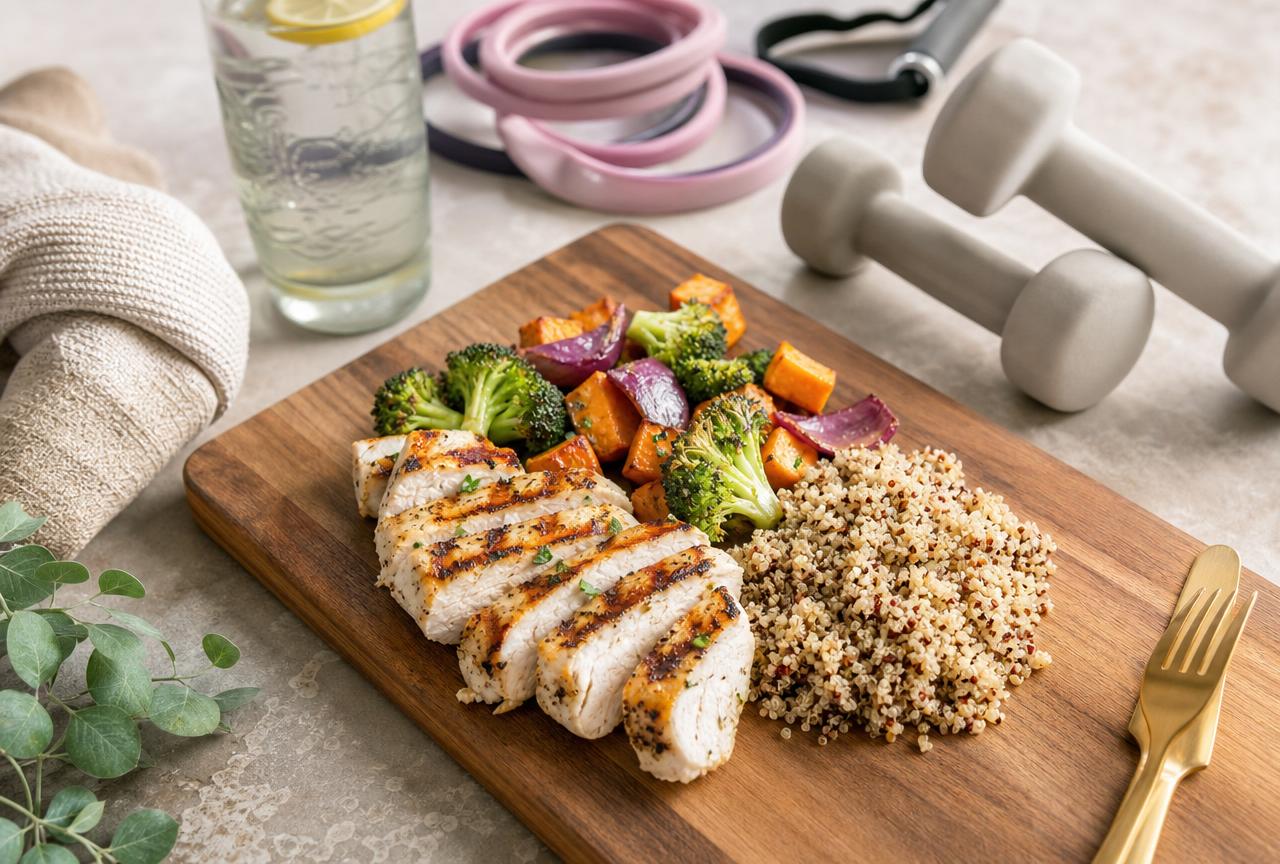
Protein is the single most important nutrient to anchor your meals around on a GLP-1. Rapid weight loss of any kind can cost you lean muscle along with fat, and muscle is what keeps your metabolism healthy, your body strong, and your results sustainable. Eating protein first at each meal helps protect that muscle and also keeps you fuller for longer.
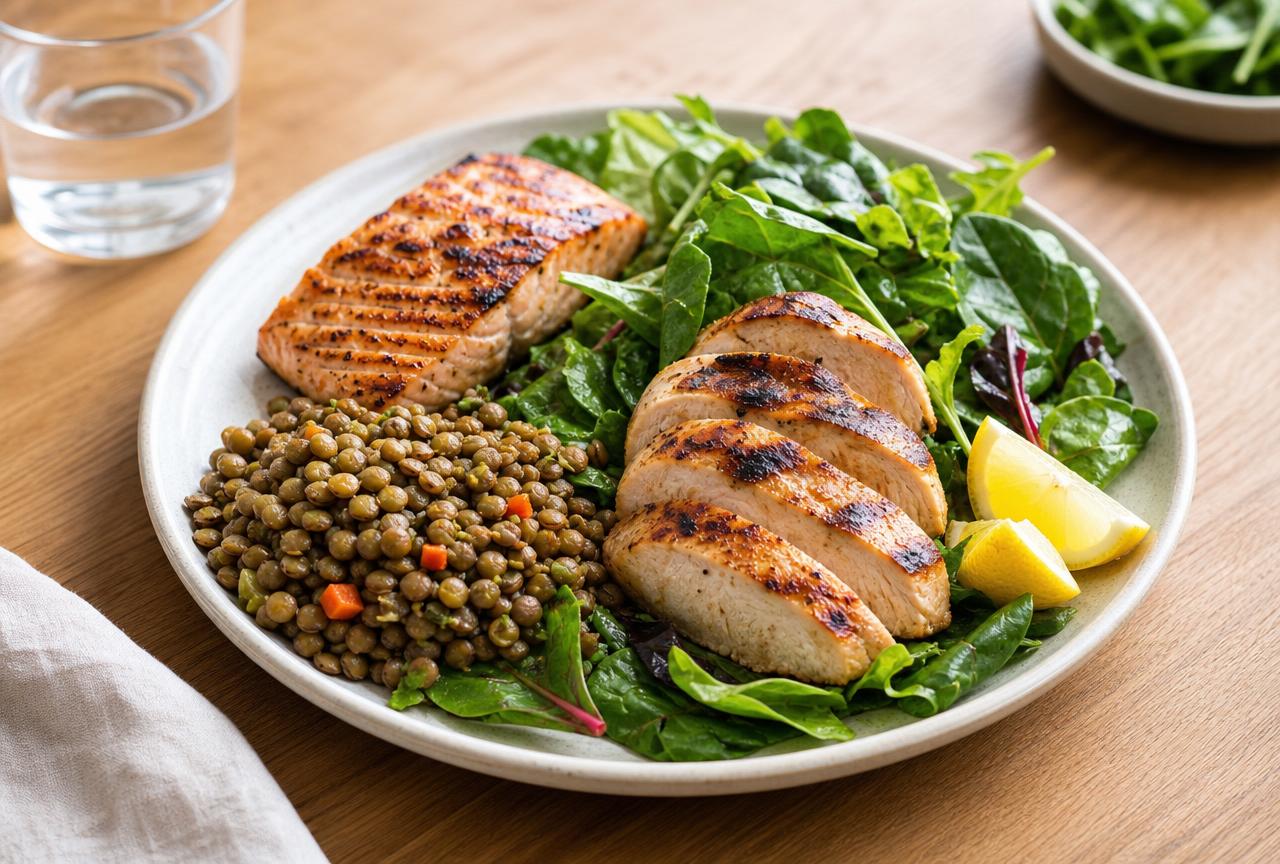
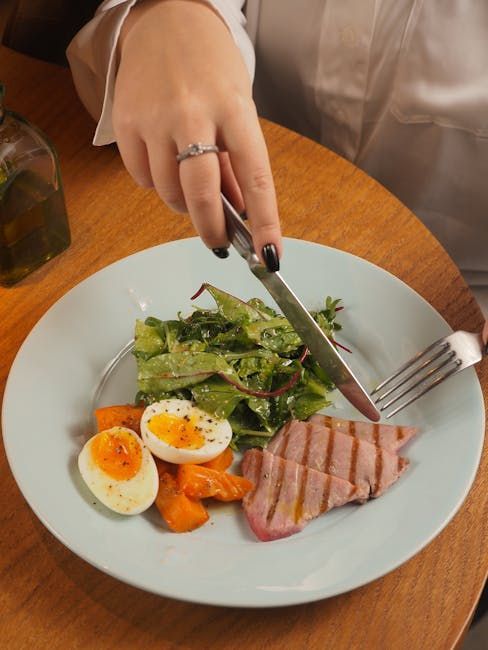
Good options are simple and familiar: eggs, Greek yogurt and cottage cheese, chicken, turkey, fish, lean beef, tofu, beans, lentils, and protein-forward shakes when a full meal feels like too much. A practical habit is to put your protein on the plate first and eat it before you fill up on everything else, since your appetite may tap out partway through the meal. Have you been eating your protein first, or saving it for last when you are already full?
Protein works best alongside resistance exercise, which is the other half of preserving muscle. We cover the full strategy, including how much protein many clinicians suggest and a simple strength routine, in our guide on how to prevent muscle loss while losing weight on GLP-1s. For personalized protein targets, your clinician or a dietitian can dial in the right amount for your body and goals.
3. Foods That Ease Common Side Effects
The same slowed digestion that helps you feel full can also bring nausea, especially in the early weeks and after dose increases. When your stomach feels delicate, smaller and more frequent meals tend to sit better than large ones. Bland, gentle foods like crackers, toast, rice, bananas, broth-based soups, and lean protein are usually well tolerated, while greasy, rich, or very sweet foods can make queasiness worse.
Eating slowly and stopping at the first sign of fullness also makes a real difference, because pushing past that signal is a fast track to nausea on these medications. Cold or room-temperature foods sometimes feel easier than hot, strong-smelling meals when your stomach is sensitive. If nausea is a recurring problem, our dedicated guide on how to reduce GLP-1 nausea has a full toolkit.
On the other end, GLP-1 medications slow the gut, so constipation is common too. Gradually adding fiber from vegetables, fruit, beans, and whole grains helps keep things moving, as long as you increase fiber slowly and pair it with plenty of fluids. If your gut slows down, see our practical relief plan in constipation relief on GLP-1 medications.
4. Hydration and Fiber Are Non-Negotiable
Hydration quietly solves a surprising number of problems on a GLP-1. Because your appetite is lower, you may also feel less thirsty and drink less without noticing, which can leave you dehydrated. Dehydration worsens nausea, constipation, fatigue, and headaches, and in some cases it can stress your kidneys. Keeping a water bottle visible and sipping throughout the day is one of the easiest high-impact habits you can build.
Fiber and fluids work as a team. Fiber needs water to do its job, so increasing fiber without enough fluid can actually make constipation worse. Aim to spread both across the day rather than loading up all at once. If you struggle to drink enough plain water, unsweetened sparkling water, herbal teas, and broth all count toward your total.
Pay attention to the warning signs that you are falling behind on fluids, like dark urine, dizziness, or a dry mouth. Our guide on dehydration on GLP-1s and how it can affect your kidneys explains the red flags worth watching and a simple hydration checklist to follow.
5. What to Limit (and Why)
A few categories of food tend to work against you on a GLP-1, mostly because they amplify side effects or crowd out the nutrition you need. Greasy, fried, and very fatty foods are common nausea triggers and sit heavily in a slowed stomach. Ultra-processed snacks and sugary drinks deliver calories without much nutrition, which is exactly what you cannot afford when your overall intake is smaller.
Very large portions are also worth rethinking, even of healthy food. Your stomach empties more slowly now, so a big meal that felt normal before can leave you uncomfortable, bloated, or nauseated for hours. Smaller, balanced plates are kinder to your digestion and easier to finish without discomfort.
Alcohol deserves special attention. It can hit harder on a GLP-1, worsen nausea and dehydration, and add empty calories, and some people notice their desire for it drops anyway. If you do drink, do so cautiously and in moderation. Our article on alcohol on GLP-1 weight-loss medications covers the specific risks and safer-sipping tips.
6. A Simple Daily Eating Framework
You do not need a rigid, complicated meal plan to eat well on a GLP-1. A reliable structure is to build each small meal around a protein anchor, add colorful vegetables or fruit for fiber and nutrients, include a modest portion of a whole-food carbohydrate or healthy fat for energy, and keep fluids going all day. That simple template covers most of what matters without any calorie counting or strict rules.
Because your appetite is smaller, you might find that three light meals plus a protein-rich snack works better than two or three large ones. Listen to your hunger and fullness cues, which are now your most reliable guide, and stop when you are comfortably satisfied rather than full. Keeping a few easy, protein-forward options on hand makes it simple to eat well even on busy or low-appetite days.
The goal is steady, sustainable habits you can keep long after the scale starts moving, because nutrition is what carries your results forward. If you ever decide to pause or stop the medication, those habits become even more important, which is exactly why we built a full maintenance plan for stopping a GLP-1 around them.
When to Talk to a Clinician
Nutrition on a GLP-1 is usually straightforward, but some situations need professional input. Contact your clinician if you cannot keep food or fluids down for more than a short period, if you are losing weight much faster than expected, or if you feel persistently weak, dizzy, or unwell. Severe or ongoing vomiting, signs of significant dehydration, or severe abdominal pain warrant prompt medical attention. For a personalized eating plan, protein targets, or help with supplements, a registered dietitian is an excellent resource, and a quick message to your care team through our contact page is always a reasonable step.
Conclusion
Eating well on a GLP-1 comes down to a few durable habits: prioritize protein to protect muscle, choose gentle foods that ease nausea, stay ahead on fiber and fluids, limit the foods that amplify side effects, and build small, balanced plates around a protein anchor. Get those right and you will feel better, preserve more muscle, and set yourself up for results that last.
If you want a clinician-guided program that supports the whole picture, not just the prescription, StemVera is built for exactly that. Explore your weight loss options , see how it works , or get started today. This article is for general education and is not medical or nutritional advice; please review our medical disclaimer and talk with a licensed clinician or registered dietitian about your individual plan.
Frequently asked questions
Related treatments
Explore the clinician-supervised programs StemVera offers for the conditions and medications discussed in this article.