
How to Reduce Nausea on GLP-1 Weight-Loss Medications (What Helps + Red Flags)
Practical ways to reduce GLP-1 nausea, meal and hydration strategies, a quick checklist, and clear red flags for when to contact your prescriber.
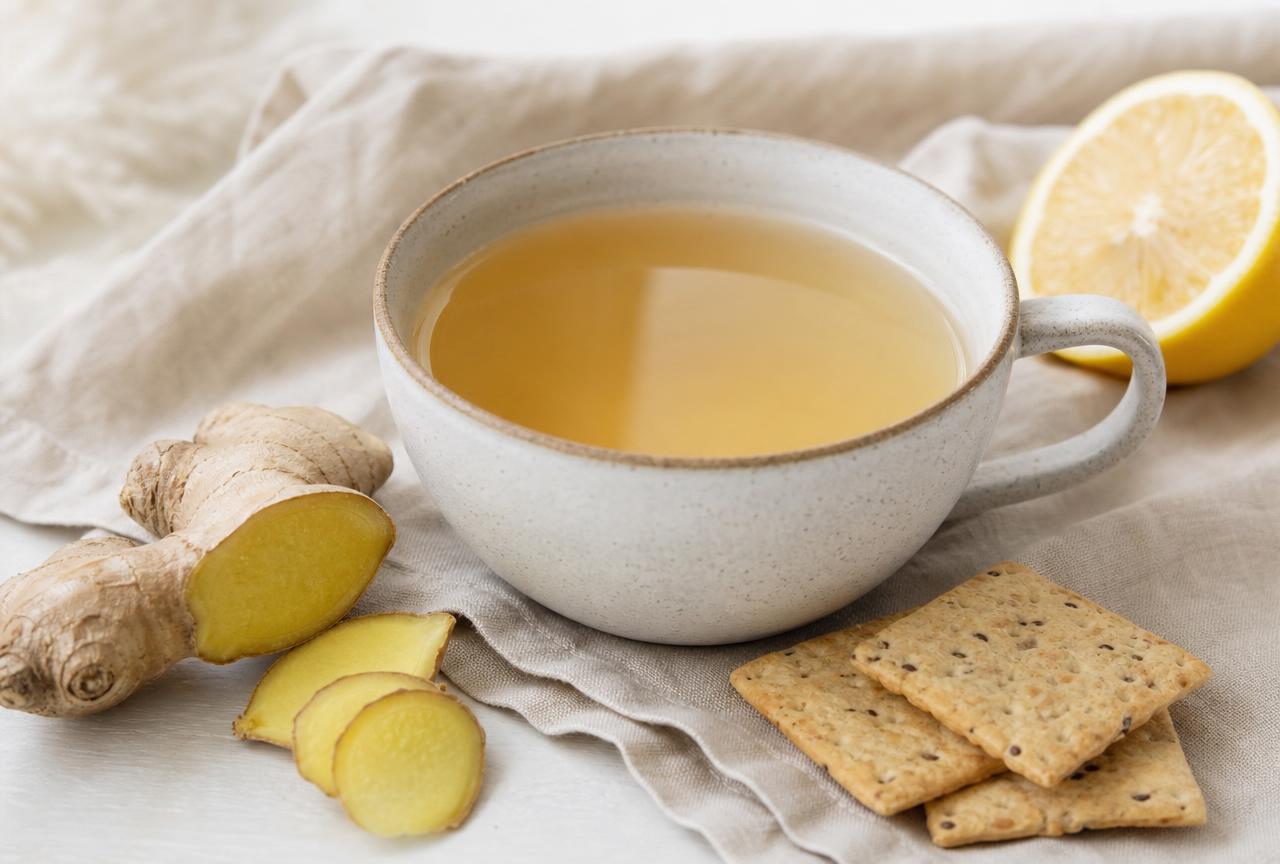

Nausea is one of the most common reasons people struggle early on with GLP-1 weight-loss medications. The good news is that many nausea patterns respond to a few repeatable habits especially how you eat, drink, and pace meals.
This guide focuses on practical, low-risk steps that often help, plus clear red flags that should prompt you to contact your prescriber or seek urgent care. It isn’t a dosing guide and won’t tell you how to adjust medication on your own.
An overview of clinician-guided weight-loss pathways fromStemVera Weight Loss.
What’s the fastest way to reduce GLP-1 nausea right now?
Start with the simplest reset: stop eating for a short window, sip fluids, and restart with a small, bland, protein-leaning mini-meal. For many people, nausea escalates when they push through a normal-sized meal while digestion feels “slower.”
If you need a quick, structured plan, use this short checklist as a same-day playbook.
Quick nausea-reset checklist
- Pause food for 60-90 minutes if you feel actively nauseated
- Take small sips of water (or another non-carbonated fluid) instead of large drinks
- Restart with a small portion (think “snack size,” not “meal size”)
- Choose mild foods you tolerate (plain yogurt, eggs, broth-based soup, toast)
- Eat slowly and stop at the first sign you’re getting full
- Avoid lying down right after eating
- If nausea is persistent, ask your clinician whether an anti-nausea medication is appropriate for you
Which strategies usually help most for GLP-1 nausea?
The best strategies are the ones that reduce “digestive workload” while you keep nutrition steady. Most people improve by adjusting meal size, meal composition, and drinking pattern.
Use this comparison table to pick the top 2-3 changes to try first.
| Strategy | When it’s most helpful | How to do it (practical) | Safety note |
|---|---|---|---|
| Smaller, more frequent meals | Nausea spikes after normal portions | Shift to mini-meals every few hours; stop early | If you can’t keep fluids down, contact your prescriber |
| Lower-fat, less greasy foods | Nausea after rich or fried foods | Choose lean protein + simple carbs + cooked veg | Avoid extreme restriction; prioritize steady intake |
| Slow eating + mid-meal pause | Nausea after fast meals | Put the fork down, pause, reassess fullness | Overfull can trigger nausea when digestion is slower |
| Drink between meals (not with meals) | Nausea worsens when you drink a lot while eating | Sip fluids 30-60 min before/after meals | If you’re vomiting or dehydrated, seek medical guidance |
| Bland, low-odor foods | Smells trigger nausea | Cold/room-temp foods, simple seasonings | If symptoms are severe or new, don’t self-manage indefinitely |
What should you eat (and avoid) when GLP-1 nausea hits?
Choose foods that are simple, lower-fat, and easy to portion, and avoid heavy, greasy, very spicy, or very sweet foods when nausea is active.
A helpful rule is: when your stomach feels unsettled, go “lighter” in both portion size and richness.
A simple “nausea-friendly” food framework
- Often easier: broth-based soups, eggs, yogurt/cottage cheese, toast/crackers, rice, bananas, oatmeal
- Often harder: fried foods, creamy sauces, very spicy foods, large high-fat meals, sugary desserts
If your appetite is low, aim for a “protein anchor” in whatever you can tolerate (even a small amount), rather than skipping all intake.
How should you drink fluids if nausea is your main side effect?
Hydration helps, but the pattern matters. Many people feel worse when they drink a lot during meals, especially if they already feel full quickly.
Try this approach:
- Take small sips throughout the day
- Keep bigger fluid intake between meals
- If plain water turns your stomach, try non-carbonated options you tolerate (ask your clinician if electrolyte drinks make sense for you)
If you can’t keep fluids down or you feel dizzy/lightheaded, treat that as a medical guidance moment not a “push through it” situation.
When is GLP-1 nausea a red flag that needs medical help?
Nausea is common, but severe or persistent symptoms aren’t something to ignore, especially if they come with dehydration or significant abdominal pain.
Contact your prescriber promptly (or seek urgent care depending on severity) if you have:
- Vomiting that won’t stop or you can’t keep liquids down
- Signs of dehydration (dizziness, fainting, very dark urine, rapid heartbeat)
- Severe abdominal pain (especially if it doesn’t go away)
- Fever plus significant stomach symptoms
- Any symptom pattern that feels suddenly worse or different than your usual side effects
If you’re ever unsure, it’s safer to ask your clinician than to “wait it out.”

Common mistakes that keep GLP-1 nausea going
Most lingering nausea is driven by a few predictable friction points.
- Skipping meals all day, then eating a normal dinner. This often backfires when your stomach empties more slowly.
- Eating quickly to “just get it over with.” Speed increases the chance you overshoot fullness.
- Keeping the same rich foods while portions shrink. Smaller portions of greasy foods can still trigger nausea.
- Chasing nausea fixes without a routine. Consistency (portion + pace + hydration) usually beats random hacks.
- Self-adjusting medication without clinician guidance. If nausea is severe, your prescriber should be part of the decision.
Two realistic mini-scenarios
Scenario 1: The “late dinner” trap.
Sana feels mildly nauseated in the afternoon and skips food. By 9 pm she’s hungry and eats a normal dinner. Within an hour she feels worse. The next day she flips the pattern: a small protein-first breakfast, two mini-meals, and a lighter dinner. Her nausea becomes more predictable and easier to manage.
Scenario 2: The “healthy but too heavy” meal.
Chris chooses a “healthy” meal salad plus a creamy dressing and fried add-ons. Even though the portion is smaller, the richness triggers nausea. He swaps to a lean protein plus a simple carb (rice/toast) and cooked vegetables for a week, and symptoms settle.
For common program questions and what to do if side effects interfere with adherence,StemVera’s FAQ can be a helpful reference.
Quick answers: GLP-1 nausea
Can I take anti-nausea medication?
Sometimes this is a prescriber decision. If nausea is persistent or affecting hydration and nutrition, ask your clinician what’s appropriate for you.
Is it normal to feel nauseated even with small meals?
It can happen, especially if meals are rich, eaten quickly, or paired with lots of fluid. Try smaller portions, slower eating, and lower-fat foods first then involve your clinician if it persists.
Should I stop my medication if I feel sick?
Don’t make that call alone. If symptoms are severe, contact your prescriber right away and follow their instructions.
If you want clinician-guided weight-loss care with medication support options, start here:“ StemVera - Weight Loss ” .
Frequently asked questions
Related treatments
Explore the clinician-supervised programs StemVera offers for the conditions and medications discussed in this article.