Blood Sugar Monitoring on GLP-1s: Why Diabetics and Non-Diabetics Track Differently
Learn how to monitor blood glucose differently on GLP-1 medications depending on diabetes status. Includes CGM timing, what patterns matter, and how to use glucose data to optimize your eating habits.
If you're taking a GLP-1 for weight loss, you probably assume blood sugar monitoring is optional. But depending on your metabolism and current health status, tracking your glucose can reveal crucial information about whether the medication is working the way you expect and whether your eating patterns are sustainable long-term. This guide covers why diabetics and non-diabetics monitor blood sugar differently on GLP-1s, what's worth tracking, and when it actually matters.
1. Why Blood Sugar Monitoring Matters on GLP-1s (Even for Non-Diabetics)
GLP-1s don't just suppress appetite. They also increase insulin secretion in response to meals and slow stomach emptying, which flattens blood sugar spikes after eating. The net effect is improved glucose control. But "improved" doesn't tell you the full story about how your body is responding to the medication and your eating patterns.
For someone with type 2 diabetes or prediabetes, GLP-1s can dramatically lower fasting glucose and HbA1c (a measure of average blood sugar over 3 months). This is one reason GLP-1s were originally approved for diabetes treatment and why many insurance plans cover them for diabetics with weight loss as a secondary benefit. But even for people without diabetes, GLP-1s change your glucose patterns, and tracking those changes gives you data you might not otherwise have.
Many people on GLP-1s notice they feel less hungry and more satisfied after meals. But is that the medication, or is it that you're finally eating protein-rich meals instead of carb-heavy snacks? If you're going to switch to semaglutide or tirzepatide, you'll probably also change your eating habits. How do you know which change is responsible for your results? Blood glucose monitoring answers this question.
Additionally, some people develop a subtle insulin resistance while on GLP-1s, or their fasting glucose doesn't drop as much as expected. Catching this early allows you and your clinician to adjust the dose, add a second medication, or examine whether your eating patterns are sabotaging the medication's effect. You can't see what you don't measure.
2. The Two Different Monitoring Strategies: Diabetic vs. Non-Diabetic
Your glucose monitoring approach should differ dramatically depending on whether you have diabetes or prediabetes. The frequency, the timing, and what you do with the data all shift.
For people with type 2 diabetes or prediabetes on GLP-1s. Your clinician likely wants structured glucose monitoring. The goal is to document that the medication (plus your eating and exercise changes) is actually lowering your blood sugar and, if you're taking diabetes meds, that your dose doesn't need adjusting. Standard monitoring means checking fasting glucose (first thing in the morning before eating) and 2-hour post-meal glucose (exactly 2 hours after your first bite of a meal) at least twice weekly, usually before and 2 hours after a meal. Track these numbers in a log (digital or paper). Bring the log to your clinician appointments. They'll use these to decide whether to increase your GLP-1 dose, reduce other diabetes medications as your control improves, or investigate if something isn't working as expected.
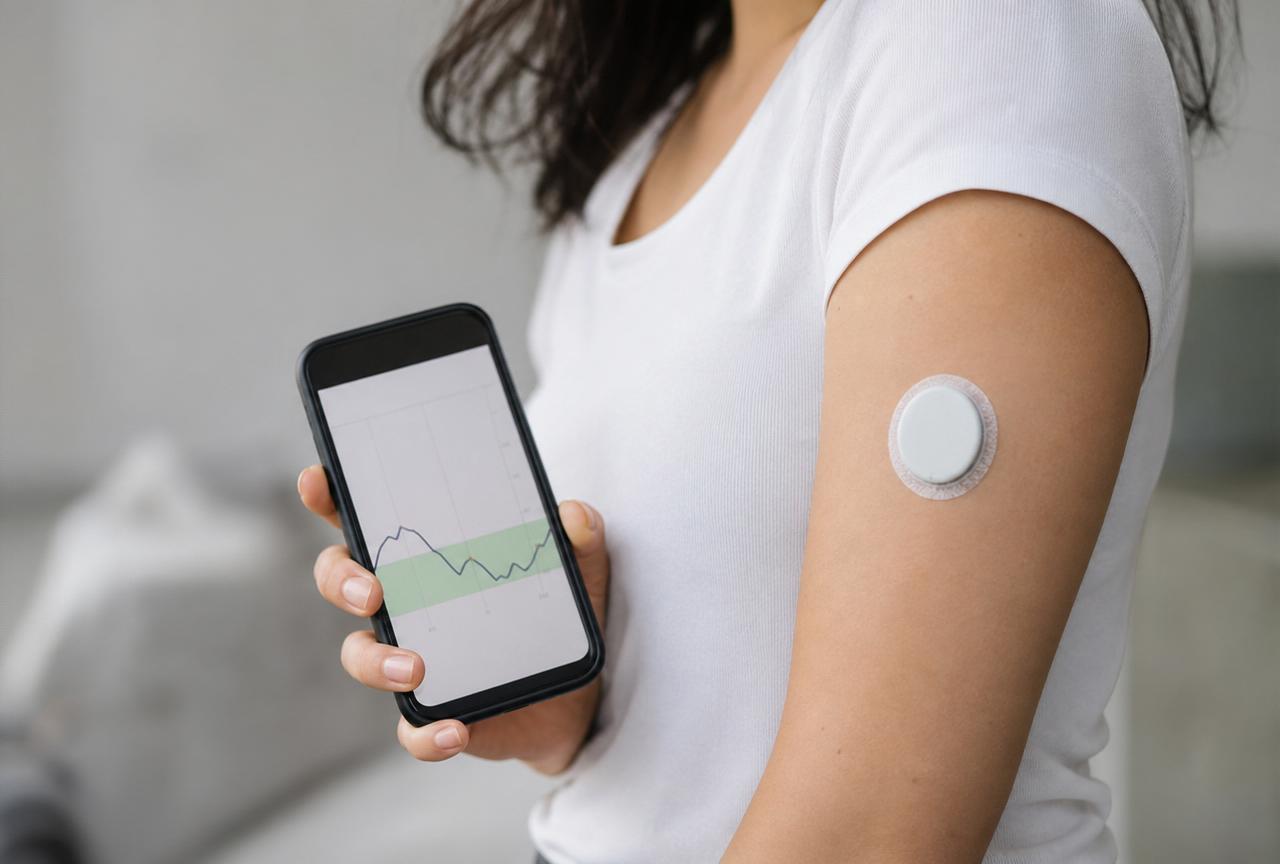
For people without diabetes taking GLP-1s for weight loss. Your approach is purely informational. You're not trying to diagnose diabetes or track a medical condition. You're gathering data about how the medication and your eating habits are affecting your metabolism. One-time continuous glucose monitor (CGM) use for 2 weeks (a device like a Freestyle Libre or Dexcom worn on your arm) is usually more useful than sporadic finger-stick testing. A CGM shows you your full glucose pattern throughout the day: your fasting level, your response to specific meals, how long it takes to return to baseline, and whether snacking causes spikes. This information is genuinely interesting and actionable. It can confirm that your meals are balanced (protein and fat slow glucose spikes) or reveal that you're eating something that triggers a spike you didn't expect.
3. What Non-Diabetics Should Track and Why
If you don't have diabetes, the specific glucose numbers matter less than the patterns. You're looking for information, not diagnosis. Here's what's worth paying attention to.
Your fasting glucose (measured first thing in the morning before eating or drinking anything). Normal fasting glucose for non-diabetic people is below 100 mg/dL. If you're on a GLP-1 and your fasting glucose is consistently above 110 mg/dL, that's worth mentioning to your clinician. It could mean your metabolism is shifting in a way that needs monitoring, or it could just mean you're stressed or ate something late the night before. One high fasting reading is noise. A pattern of high readings is signal.
Your glucose response after meals. With a CGM, you can see how much your glucose spikes after different meals. A balanced meal (protein, fat, fiber) should result in a small, gradual rise that returns to baseline within 2 hours. If you eat a meal heavy in refined carbs or sugar, you'll likely see a steeper spike even on a GLP-1 (because the medication slows but doesn't eliminate the rise). This data is feedback about whether your meals are actually balanced. It's not "good" or "bad." It's just information. You can use it to decide: do I want to adjust this meal, or am I okay with this response?
Time to glucose recovery. How long does it take for your glucose to return to your baseline after a meal? On GLP-1s, this is often faster than it was before the medication (another sign the drug is working). If your glucose remains elevated 3+ hours after eating, that's worth noting. It could mean your meal was too large, too carb-heavy, or that you need a higher GLP-1 dose.
Fasting insulin (if your clinician orders it). This is a specialized test your doctor can order during a routine appointment. It measures how much insulin your pancreas is releasing at rest. If your fasting insulin is high despite normal fasting glucose, it suggests your pancreas is working hard to manage your blood sugar, a sign of insulin resistance. On a GLP-1 combined with improved eating habits, fasting insulin often drops significantly. This is a sign your metabolic health is actually improving, not just that you're losing weight.
4. When to Test: Timing Matters More Than You Think
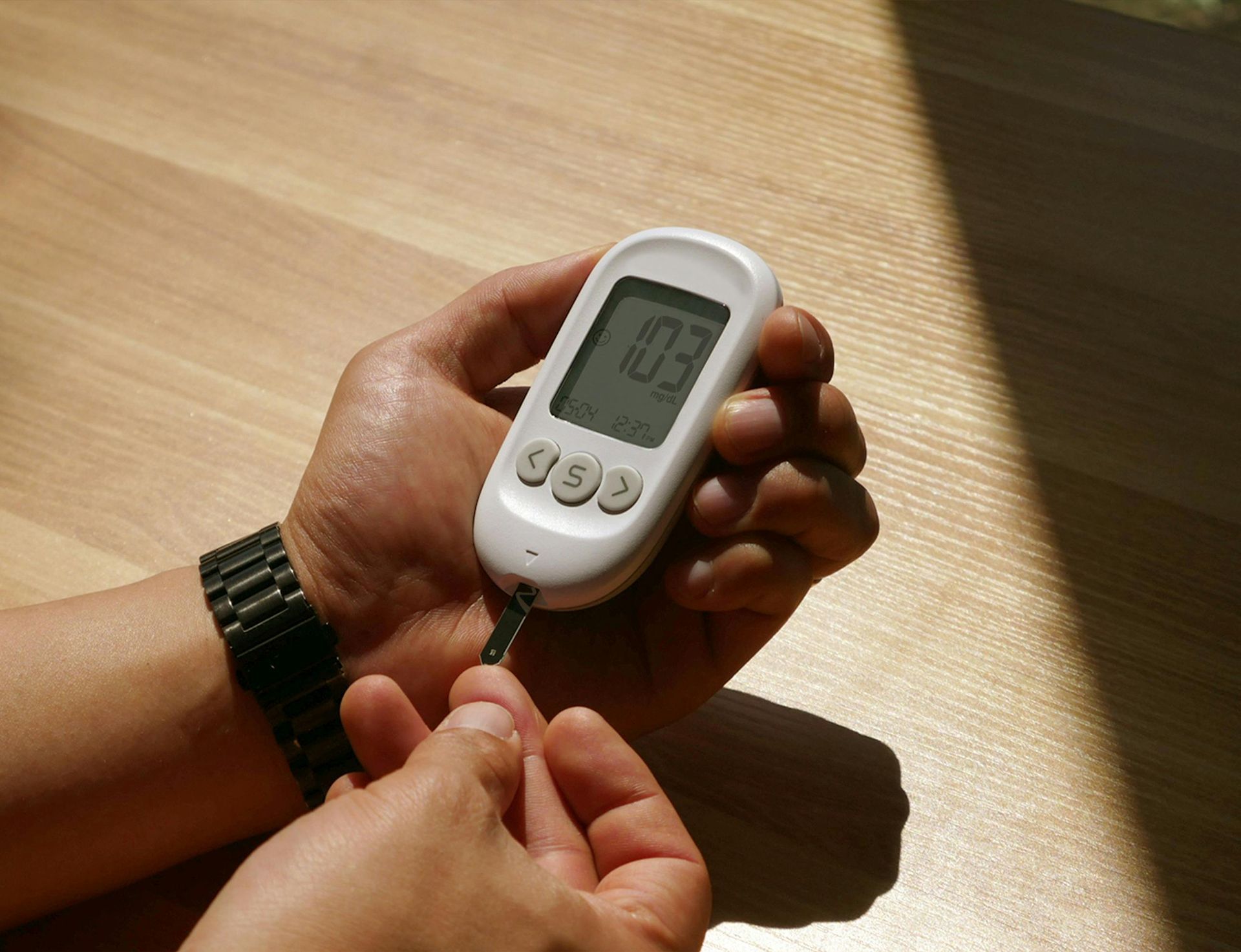
If you're doing finger-stick testing (the traditional method where you prick your finger), timing is everything. Casual testing at random times gives you useless data. Structured testing is what matters.
Fasting glucose: always first thing in the morning. The moment you wake up, before you eat, drink, or move around. This is your baseline. Do it the same time daily for consistency.
Post-meal glucose: exactly 2 hours after you start eating. Not 1.5 hours, not 2.5 hours, 2 hours. This is when your glucose spike should be at its peak and starting to come down if the meal was balanced. Testing at the right time lets you compare across days.
With a CGM, timing doesn't matter. The device continuously monitors your glucose every 1 to 5 minutes (depending on the device). You can see exactly when your glucose peaks, how high it goes, and how fast it returns. This is more informative than any finger-stick test. If you're considering a CGM for informational purposes (not diabetes diagnosis), a 2-week trial is the sweet spot. It's long enough to capture your normal eating patterns and several different meal types, but short enough to not be a huge expense.
5. What Your Glucose Patterns Tell You About Your Medication Response
After a few weeks on a GLP-1, your glucose patterns should shift. If they don't, something might be off.
Expected on GLP-1s: fasting glucose drops 10 to 20 mg/dL within 4 weeks. If your fasting glucose was 105 before treatment, it should be closer to 90 after 4 weeks of consistent GLP-1 dosing. If it hasn't budged, your clinician might increase your dose or check whether you're actually injecting properly.
Expected on GLP-1s: post-meal glucose spikes flatten. Before GLP-1s, a meal heavy in carbs might spike your glucose 40 to 60 mg/dL above your baseline. On the medication, that same meal might spike you only 20 to 30 mg/dL. This is the medication working.
Expected on GLP-1s: faster recovery time. Your glucose returns to baseline quicker. Instead of taking 3 hours to come down, it might come down in 1.5 hours. This suggests your body's insulin response is more efficient.
Red flag: glucose patterns don't improve after 6 to 8 weeks. If you're on an adequate dose (0.5 to 1.0 mg weekly of semaglutide, or 5 to 15 mg weekly of tirzepatide) and your fasting glucose and post-meal patterns haven't improved, ask your clinician: "Is my metabolism responding to this medication?" Sometimes the answer is "No, you're not a good responder," and you might try a different medication class. Sometimes the answer is, "Your eating patterns are undermining the medication, let's look at that together."
6. How to Use Glucose Data to Troubleshoot Your Eating Patterns
The real power of glucose monitoring is using it as a biofeedback tool for your eating habits. Here's how.
Test your baseline eating pattern first. Eat normally for a few days while monitoring glucose (or wear a CGM). Document: what does a typical day look like? What's your fasting glucose? Which meals spike you the most? Which meals keep your glucose stable?
Then deliberately try variations. Eat a meal with extra protein and see what happens to your glucose spike. Eat the same meal but add fat (oil, nuts, avocado) and test again. Add fiber (vegetables) and test. You're gathering personalized data about what actually affects your glucose, not relying on generic advice.
A practical test: the "same meal, different format" experiment. Eat a bowl of oatmeal by itself on Monday and monitor your glucose spike. Two days later, eat the same oatmeal but add a scoop of protein powder and some nuts. Does the spike flatten? Almost always, yes. This teaches your body and your brain that adding protein and fat to carbs is genuinely protective, not a rule, but something you can see in your glucose data.
Identify your personal trigger foods. Maybe everyone says pasta causes glucose spikes, but your glucose barely moves after pasta. And maybe everyone says eggs are gentle on glucose, but your body spikes after eggs (rare, but possible). Glucose monitoring lets you skip the guessing and find your real patterns.
7. The Data You Need for Your Clinician Appointment
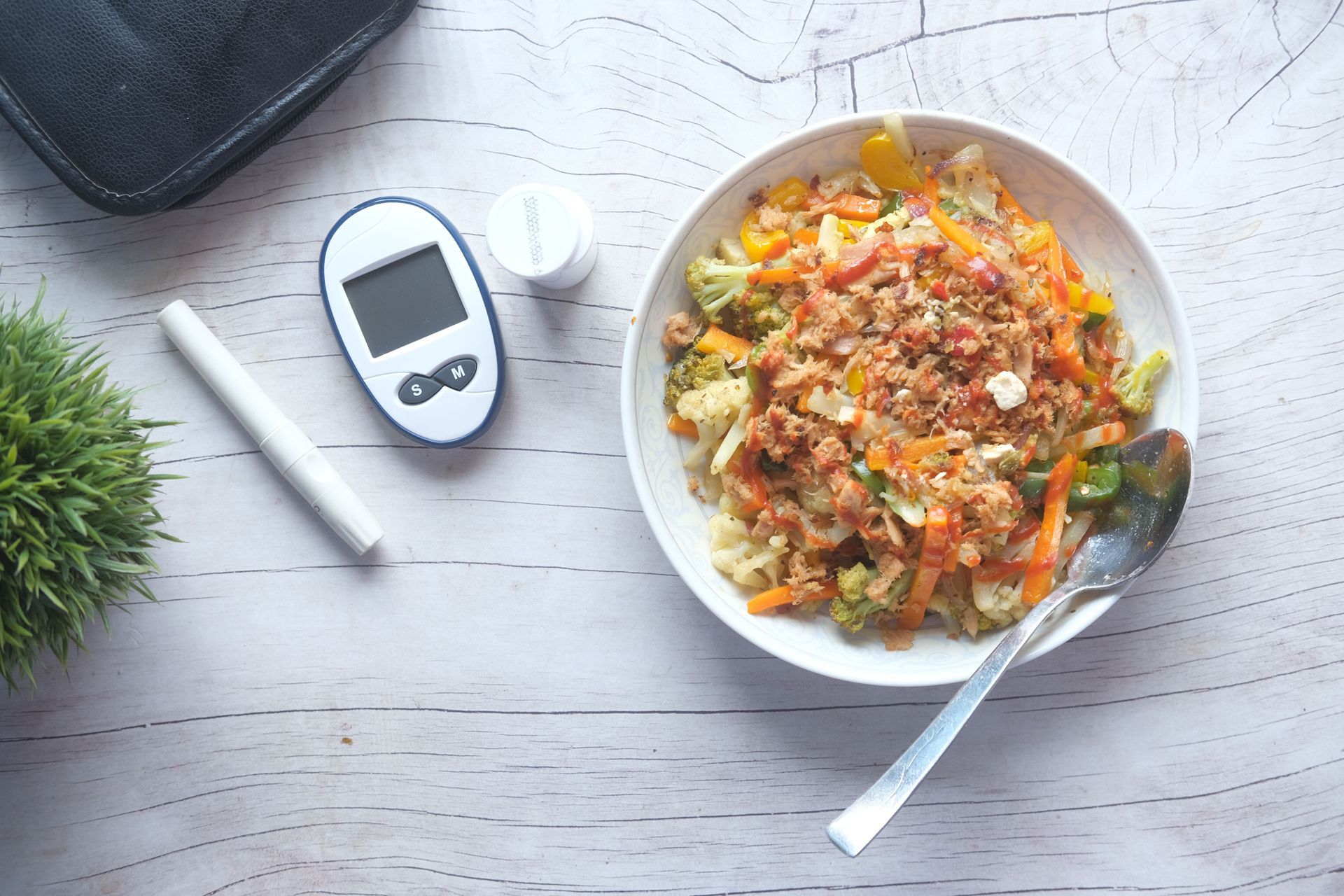
If you're doing any glucose monitoring, bring the data to your appointments. Your clinician can't give you feedback if they don't see the numbers. Here's what to organize.
A simple log format. Date | Time | Measurement (fasting or 2-hour post-meal) | Glucose value (mg/dL) | Notes (what you ate, stress level, sleep quality). That's it. You don't need fancy spreadsheets. A notebook works fine. Digital options like MyFitnessPal, Cronometer, or just storing photos of your meter readings are also fine.
Patterns, not individual readings. If your fasting glucose over 2 weeks averages 92 mg/dL with a range of 88 to 98, that's more useful to your clinician than one reading of 110. Patterns show trends. One outlier reading could be anything (stress, didn't sleep well, ate late the night before).
Questions prepared. "Is my glucose response where you'd expect to see it at this dose?" "Should I increase my dose or try a different medication?" "Are these numbers consistent with good metabolic health?" Bring your log and these questions together.
8. When to Stop Monitoring (And When to Keep Going)
Glucose monitoring is useful for establishing what's happening, but it's not meant to be forever.
For non-diabetics: a 2 to 4 week check is usually enough. Wear a CGM for 2 weeks, get your data, use it to understand your eating patterns and your medication response. Then stop. You've learned what you need. You don't need to monitor continuously.
For people with diabetes: ongoing monitoring is part of managing the condition. Your clinician will tell you the frequency, but typically you're checking fasting and post-meal glucose regularly (at least weekly, sometimes daily depending on your insulin use). You'll also get HbA1c tests every 3 months to see your long-term average.
Red flag: obsessive glucose checking is not helpful. If you find yourself testing your glucose 10 times a day, anxious about individual readings, or letting a single glucose reading ruin your day, that's a sign the monitoring is causing more stress than benefit. Talk to your clinician about dialing back. The goal is information, not anxiety.
Conclusion: Your Glucose Data Tells a Story
Blood glucose monitoring on GLP-1s isn't just for people with diabetes. It's a tool that gives you real feedback about how your medication and eating patterns are actually affecting your metabolism. Whether you're tracking fasting glucose with occasional finger-stick tests or wearing a CGM for comprehensive data, the insight is valuable. You'll see whether the medication is working, which eating patterns support your goals, and whether your metabolic health is actually improving alongside the weight loss.
For a broader understanding of which GLP-1 medication might work best for your specific situation, read our comparison guide on Tirzepatide vs Semaglutide for Weight Loss: How to Choose. And to understand what to expect in your first month and how to track progress beyond the scale, review our guide on First 30 Days on a GLP-1 for Weight Loss. Knowledge about your metabolism is power, use it.
Frequently asked questions
Related treatments
Explore the clinician-supervised programs StemVera offers for the conditions and medications discussed in this article.