How to Inject Semaglutide and Tirzepatide: Step by Step Injection Guide
Learn how to inject semaglutide or tirzepatide safely at home: where to inject, how to rotate sites, prep and store the medication, and common mistakes to avoid.
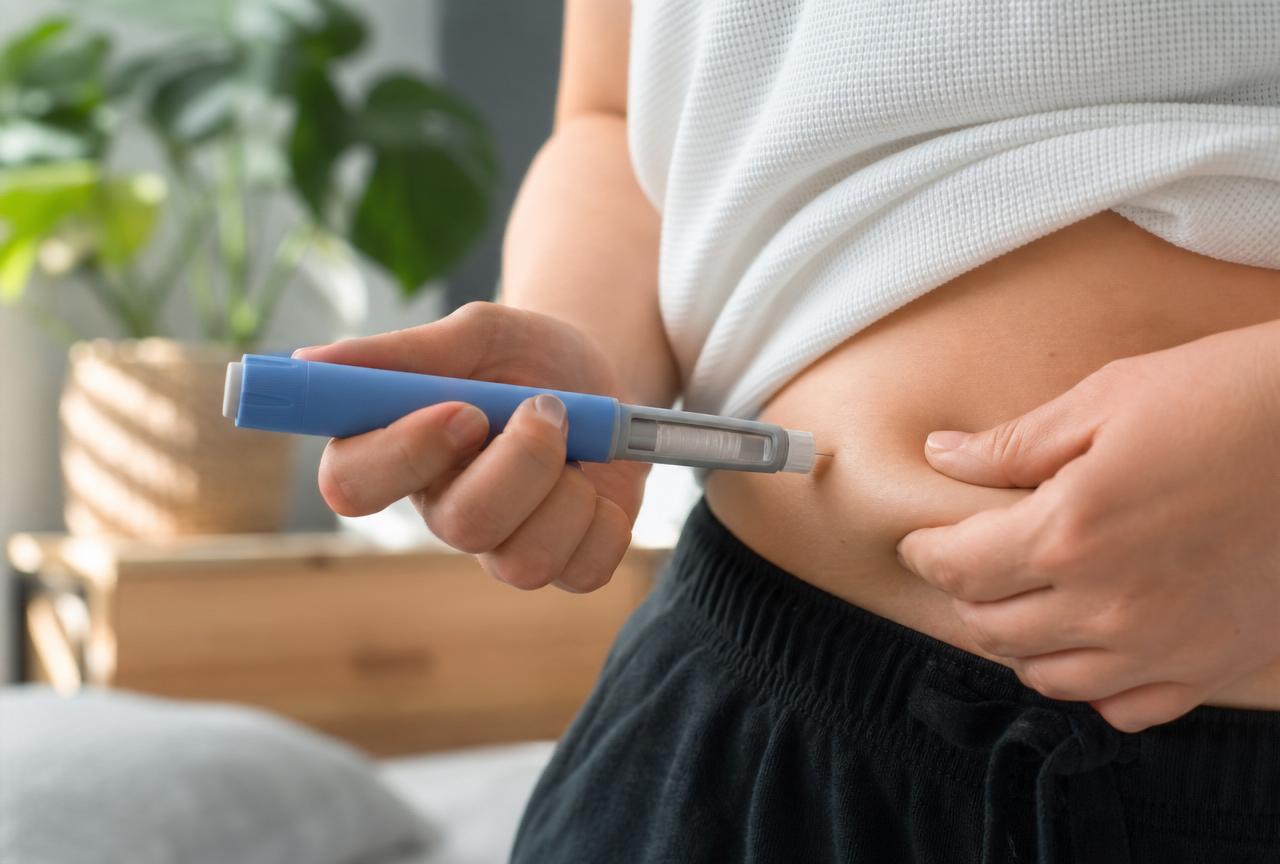
The first time you hold a GLP-1 injection pen or vial, it can feel intimidating. The good news is that giving yourself a weekly subcutaneous injection of semaglutide or tirzepatide is one of the simplest medical routines you will ever learn, and most people are surprised by how little they feel it. The needles are very short and thin, the technique takes under a minute once you have done it a few times, and the whole process becomes second nature within your first month.
This step-by-step guide walks you through where to inject, how to do it correctly, how to rotate sites, and how to store and travel with your medication. If you are just starting medical weight loss treatment , bookmark this page and keep it handy for your first few doses. Always follow the specific instructions from your clinician and the directions that come with your particular product, since pens and compounded vials differ.
1. Before Your First Injection
Preparation makes the whole thing easier and safer. Start by washing your hands with soap and water. Gather your supplies in one clean spot: your medication, an alcohol swab, a fresh needle if you are using a pen-and-needle or a vial-and-syringe setup, and a sharps container for safe disposal. Never reuse needles, and never put a used needle back into a regular trash can.
Check your medication before you draw or dial a dose. It should be clear and colorless to slightly tinted, with no floating particles, cloudiness, or discoloration. If it looks off, or if it has been frozen or left out of the recommended temperature range, do not use it and contact your pharmacy. Let refrigerated medication sit at room temperature for a short while before injecting, because cold liquid can sting more going in.
It also helps to know what the early weeks feel like so nothing catches you off guard. Our guide on what to expect in your first 30 days on a GLP-1 covers the typical timeline, and you can see how the full telehealth process works on how it works.
2. Where to Inject: Choosing the Best Site
Semaglutide and tirzepatide are given subcutaneously, which means into the fatty layer just under the skin, not into muscle. There are three approved areas to choose from: the abdomen, the front or outer thigh, and the back of the upper arm. The abdomen is the most popular choice because it is easy to reach and has a comfortable fat layer for most people.
If you use your stomach, stay at least two inches away from your belly button and avoid any area that is bruised, scarred, tender, or hardened from previous shots. For the thigh, aim for the fleshy front or outer portion, midway between hip and knee. For the upper arm, you will likely need help reaching the back of the arm, or you can simply stick with the abdomen and thigh, which you can manage on your own.
The site you choose does not meaningfully change how the medication works, so pick the spots that are easiest and most comfortable for you to reach reliably each week. Consistency and good rotation matter more than which specific area you favor.

3. Step by Step: How to Give the Injection
Once your supplies are ready and you have chosen a clean, dry site, the actual injection is quick. First, wipe the area with an alcohol swab and let it air dry for a few seconds, since injecting through wet alcohol can sting. If you are using a single-dose autoinjector pen, remove the cap and follow the device instructions; many pens are pressed flat against the skin and clicked, with no need to pinch.
If you are using a vial and syringe, draw up the exact dose your clinician prescribed, tap out any large air bubbles, and gently pinch a fold of skin to lift the fatty layer away from the muscle underneath. Insert the short needle at the angle your clinician recommends, usually straight in at 90 degrees for most body types, then press the plunger steadily until the dose is fully delivered. Hold for a few seconds before withdrawing so the full amount goes in.
Withdraw the needle at the same angle you inserted it, and release the pinch. If you see a tiny drop of blood, that is normal; apply light pressure with a clean cotton ball or gauze, but do not rub the area. Immediately drop the used needle or pen into your sharps container. That is the entire process, and it gets faster every week. Does that sound more manageable than you expected? For most people, the anticipation is worse than the injection itself.
4. Rotate Sites and Build a Weekly Routine
Rotating your injection sites protects your skin and helps the medication absorb consistently. Repeatedly injecting the same exact spot can cause lumps, hardening, or tenderness over time, which can also affect absorption. A simple approach is to move around within an area, keeping each new injection at least an inch from the last one, and to alternate between the abdomen, thighs, and arms across weeks.
Pick the same day each week for your shot and set a reminder on your phone. Many people anchor it to an easy-to-remember routine, like Sunday morning, so it becomes automatic. Keeping a small log of the date and site you used makes rotation effortless and gives you something useful to review with your clinician at follow-up visits.
Building this rhythm early pays off, because consistency is one of the strongest predictors of success on a GLP-1. If you ever miss a dose, do not double up; follow the catch-up guidance for your specific product or check with your clinician. The same steady, patient approach applies to your results, which is why understanding a realistic timeline and avoiding a weight loss plateau matters as much as the injection itself.
5. Storage, Travel, and Handling
Most GLP-1 medications need refrigeration before first use, with specific rules about how long a pen or vial can stay at room temperature once you start it. Keep your medication in the main body of the fridge, not the door where temperatures swing, and never let it freeze. If it freezes, it must be discarded. Always check the storage instructions for your exact product, since they vary.
Travel takes a little planning but is very doable. Pack your medication in a small insulated bag with a cold pack, keep it in your carry-on rather than a checked bag where it could freeze or overheat, and bring it in its original packaging with your prescription label. Our dedicated guide on traveling with GLP-1 medications covers TSA screening, temperature rules, and packing tips in detail.
If needles are a dealbreaker for you despite the simple technique, there is an alternative worth discussing with your clinician. Sublingual semaglutide dissolves under the tongue instead of being injected. You can weigh the trade-offs in our comparison of semaglutide injection vs sublingual semaglutide. For most people, though, the weekly semaglutide injection or tirzepatide injection is straightforward once the routine clicks.
6. Common Injection Mistakes to Avoid
A few simple mistakes account for most injection problems. Injecting into the same spot every week is the big one, so rotate diligently. Injecting cold medication straight from the fridge can sting more than necessary, so let it warm slightly first. Rubbing the site afterward can cause irritation, so apply gentle pressure instead. And rushing the plunger or pulling out too early can leave part of the dose behind, so go slow and hold steady.
Another avoidable issue is improper disposal. Loose needles in household trash are a safety hazard for you and others, so always use a designated sharps container. Finally, do not inject into broken, bruised, scarred, or irritated skin, and skip any area where you feel a lump from a previous injection until it fully resolves.
Mild redness, a small bruise, or slight itching at the site is common and usually fades within a day or two. If you are unsure whether something is normal, it is always reasonable to ask. A quick message to your care team beats guessing, and you can reach support through our contact page.
When to Talk to a Clinician
Most injection-site reactions are minor and temporary. Contact a clinician if you develop a large or spreading area of redness, warmth, swelling, or pain at the site, signs of infection, or a reaction that worsens rather than improves over a couple of days. Seek urgent care for any signs of a serious allergic reaction, such as trouble breathing, swelling of the face or throat, or a rapidly spreading rash. Separately from the injection itself, be alert to the broader red flags of GLP-1 therapy, such as severe abdominal pain. Reviewing the questions to ask before starting GLP-1 weight loss helps you know what to watch for from day one.
Conclusion
Self-injecting a GLP-1 is a small, learnable skill that quickly fades into a one-minute weekly habit. Prepare your supplies, choose a clean site in the abdomen, thigh, or upper arm, inject slowly into the fatty layer, rotate your sites, store and travel with your medication correctly, and dispose of needles safely. Get those basics right and the technique stops being something you think about at all.
If you are ready to begin a clinician-guided program with real support along the way, StemVera makes it simple. See how it works , browse your weight loss options , or get started today. This article is for general education and is not medical advice; please review our medical disclaimer and follow the specific instructions from your clinician and your medication's directions.
Frequently asked questions
Related treatments
Explore the clinician-supervised programs StemVera offers for the conditions and medications discussed in this article.