GLP-1 and Drug Interactions: Critical Medications That Don't Mix (Checklist)
Learn which medications don't mix with GLP-1 weight loss drugs (semaglutide, tirzepatide). Includes critical interactions, what to tell your clinician, and a checklist to review before starting.
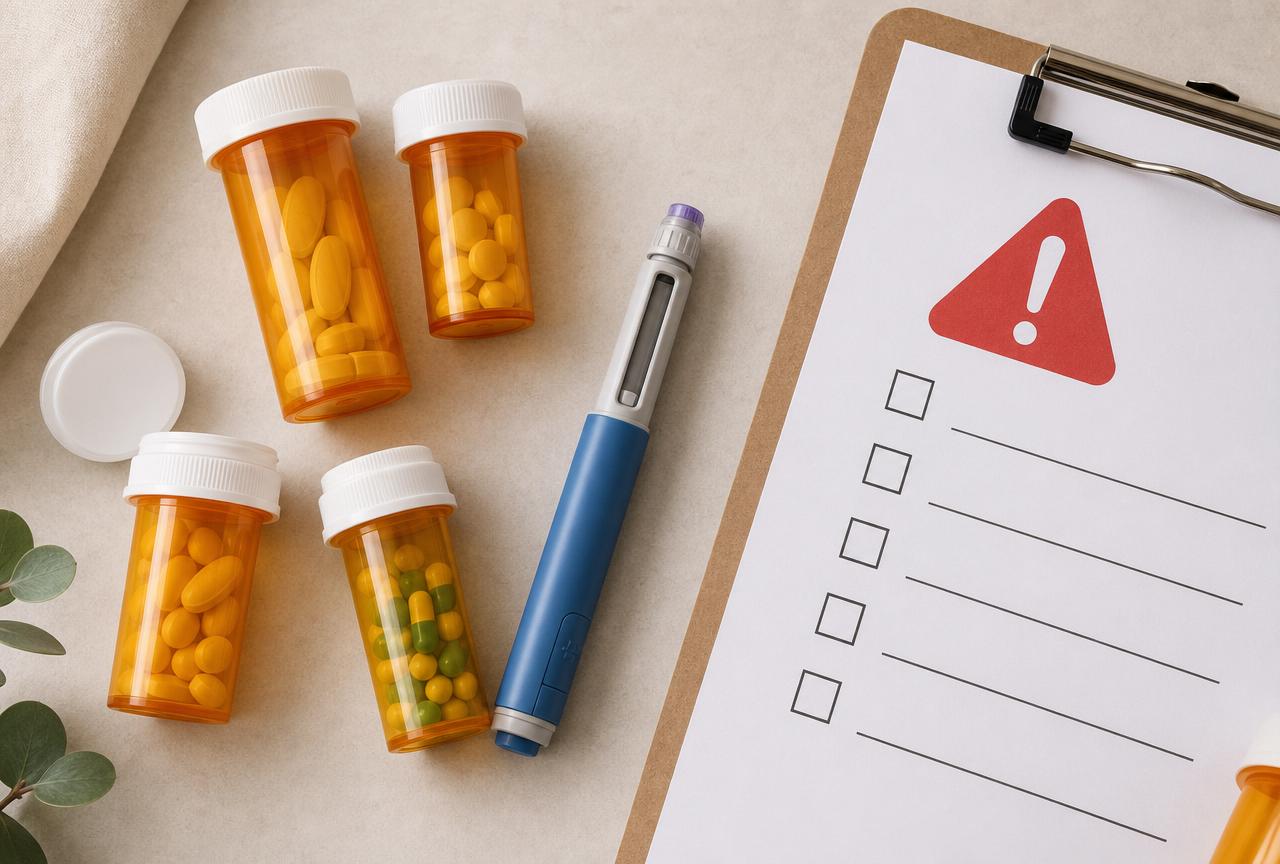
Taking a GLP-1 for weight loss means more than just the medication itself. Your clinician needs to know every prescription, over-the-counter drug, and supplement you're already taking because some combinations carry real risk. This guide walks you through the most important drug interactions, what to watch for, and exactly what to prepare for your appointment.
1. Why GLP-1 Drug Interactions Matter More Than You Might Think
Semaglutide and tirzepatide slow your stomach's emptying and reduce appetite. That's how they work. But when you add other medications into the mix, the timing of absorption and the intensity of side effects can shift dramatically. A medicine that normally causes mild nausea can become severe. A drug that relies on stomach acid might not absorb properly. Some combinations increase the risk of pancreatitis or kidney problems beyond what either drug causes alone.
The danger isn't always obvious. Many people take multiple medications without realizing one might interfere with another, and some interactions don't show up immediately. You might feel fine for weeks, then suddenly develop symptoms that seem unrelated to anything you're taking. That's why a pre-treatment conversation with your clinician about your full medication list is critical.
The most important rule: never assume your GLP-1 clinician knows your complete medical history. Be explicit. Write it down. Bring your bottles to your appointment. Ask directly: "Do any of my current medications interact with GLP-1s?"
2. High-Risk Drug Combinations: What Your Clinician Needs to Know
Some medications require careful monitoring or dose adjustments when added to GLP-1s. Others may need to be stopped entirely. Here are the most common critical interactions.
Diabetes medications (insulin and sulfonylureas like glipizide, glyburide). If you're taking insulin or drugs that force your pancreas to release insulin, a GLP-1 significantly increases your low blood sugar risk. Your clinician will likely reduce your insulin dose as soon as you start the GLP-1 to prevent dangerous drops. This happens frequently and is expected. Never adjust your insulin dose yourself; work with your diabetes team.
Medications that slow stomach emptying (metoclopramide, domperidone). These drugs do the same thing GLP-1s do, slow how fast food moves through your stomach. Combining them amplifies the effect and dramatically increases nausea, vomiting, and constipation. Most clinicians will ask you to stop these medications before starting a GLP-1.
Warfarin and other anticoagulants. If you're taking blood thinners, rapid weight loss on a GLP-1 can change how your body absorbs and metabolizes warfarin. Your INR (the measure of how thin your blood is) can become unpredictable. You'll likely need more frequent INR checks and possible dose adjustments during your weight loss phase. Don't stop warfarin without your cardiologist or hematologist involved.
Certain psychiatric medications (some antidepressants and antipsychotics). A few psychiatric drugs can increase pancreatitis risk on their own, and when combined with GLP-1s (which also carry a small pancreatitis signal), the risk rises further. This doesn't mean you can't take both, but your clinician needs to know and monitor you more closely.

3. Moderate-Risk Interactions Worth Discussing
These combinations aren't necessarily deal-breakers, but they need monitoring and possibly adjustment. Your clinician will decide based on your specific situation.
Blood pressure medications. Rapid weight loss lowers your blood pressure naturally. If you're on blood pressure meds, your BP might drop too low as you lose weight. You'll need to monitor your numbers regularly and probably adjust your medication dose downward over time. This is why regular follow-up is essential.
Thyroid medication (levothyroxine). GLP-1s slow stomach emptying, which can affect when and how much levothyroxine your body absorbs. If you take thyroid medication, you should take it on an empty stomach and wait at least 30 minutes before eating or taking other medications. Some people need a thyroid dose adjustment during GLP-1 treatment. Get your TSH checked 6 weeks after starting to be sure your dose is still right.
Certain antibiotics and bisphosphonates. These drugs need an empty or nearly empty stomach to absorb properly. Since GLP-1s slow stomach emptying and reduce appetite, the timing becomes tricky. You might need to take these medications at different times of day than your GLP-1 injection.
NSAIDs (ibuprofen, naproxen, prescription NSAIDs). Regular NSAID use combined with GLP-1s increases your risk of dehydration and kidney problems, especially early in treatment when side effects like nausea and diarrhea are most intense. Use the lowest dose for the shortest time, stay hydrated, and tell your clinician if you're taking NSAIDs regularly. Consider acetaminophen instead for pain.
4. Supplements and Over-the-Counter Drugs That Need Attention
People often forget to mention supplements to their clinician. Don't. Some over-the-counter products interact with GLP-1s too.
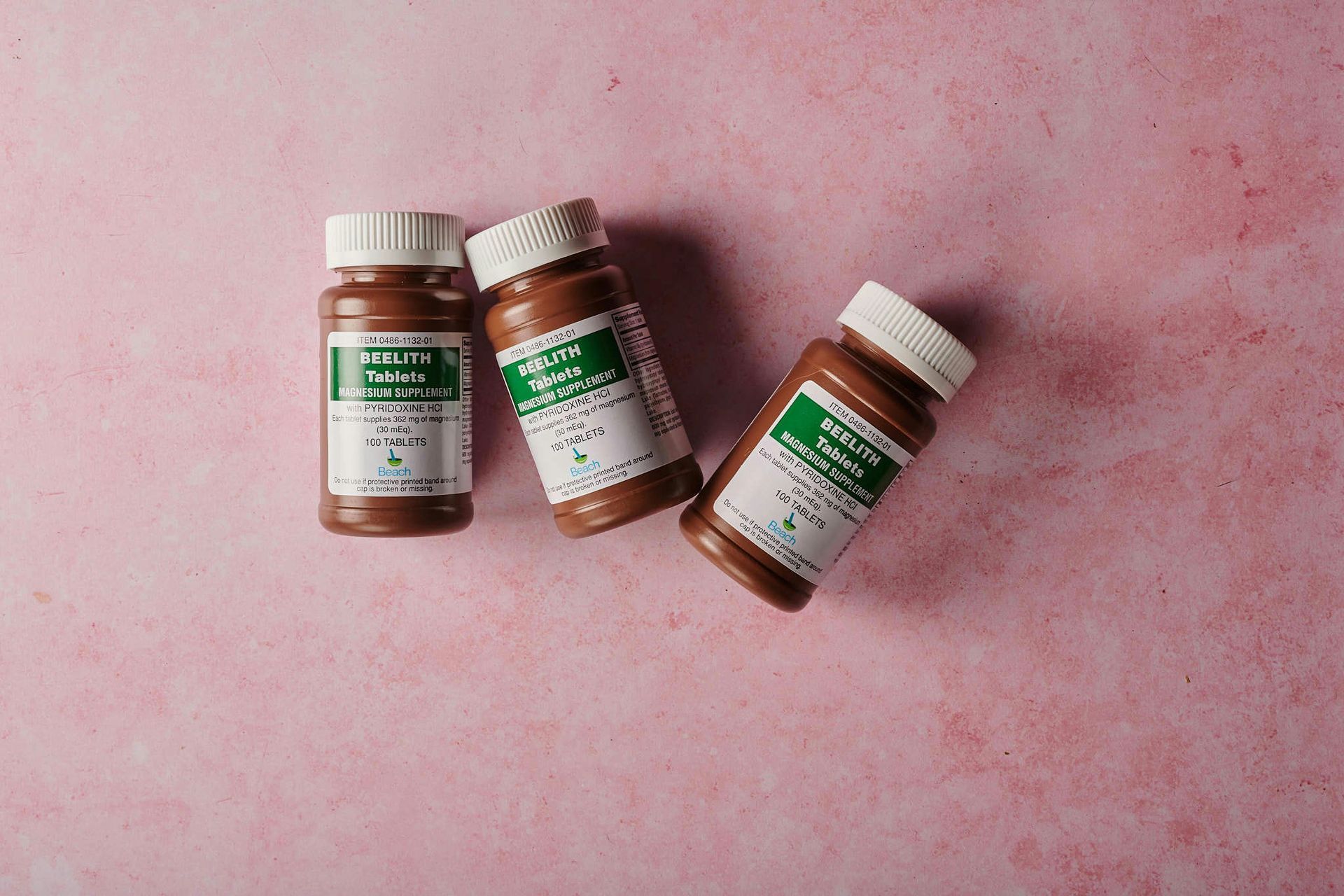
Laxatives and stool softeners. Many people assume they can just take an over-the-counter laxative to manage GLP-1 constipation. But certain types, especially stimulant laxatives, can cause cramping and worsen nausea. Ask your clinician which ones are safe. Osmotic laxatives (like polyethylene glycol or magnesium) are usually the first choice. Start low and increase gradually.
St. John's Wort. This supplement interacts with many medications. More importantly, it can reduce the effectiveness of some drugs and may interact unpredictably with GLP-1s. Tell your clinician if you're taking it.
Certain herbal supplements. Supplements containing caffeine, ephedrine, or other stimulants can worsen nausea and tremors on GLP-1s. Discuss your full supplement list, including vitamins and minerals, even if they seem harmless.
5. What to Prepare for Your Appointment: A Clinician-Ready Checklist
Before your first GLP-1 visit, gather your information. Make it easy for your clinician to do a thorough interaction check.
Bring all your medication bottles (including over-the-counter and supplements) or a written list with the exact name and dose of each. Don't rely on memory. Write down when you take each one.
Include any herbs, supplements, and vitamins. People often think supplements "don't count," but they interact too. List everything.
Note any allergies or past bad reactions to medications. This helps your clinician understand your risk profile and potential alternatives.
Mention any history of pancreatitis, kidney problems, or thyroid disease. These conditions sometimes require special monitoring or different medications.
Tell your clinician about any other doctors you see regularly. If you have a cardiologist, endocrinologist, or other specialist, they may need to adjust your medications too. Some clinicians will coordinate directly; others prefer you to loop in your other doctors.
Ask directly: "Are there any concerning interactions I should know about?" Don't assume your clinician will volunteer everything. Make it clear you want a thorough review.
6. If You Discover an Interaction After Starting: What to Do
Sometimes interactions surface after you've started a GLP-1. Maybe a new medication was prescribed for something else. Maybe you didn't realize a supplement could interact. Here's how to handle it.
Don't stop either medication without talking to your clinician first. Stopping some drugs abruptly (like blood pressure meds or antidepressants) can be dangerous. Don't self-manage.
Contact your GLP-1 clinician immediately. Tell them the exact name and dose of the new medication. Ask if it's safe to continue both or if adjustments are needed.
Loop in your other doctor if it involves a medication they prescribed. They might need to make a change on their end too.
Watch for new symptoms. Increased nausea, dizziness, low blood sugar, or unusually rapid heart rate could signal an interaction. Document when symptoms started and what you were doing. That timing helps your clinician figure out what's happening.

Conclusion: Take Ownership of Your Full Medication Picture
GLP-1s are powerful tools for weight loss, but they don't exist in isolation. Every medication, supplement, and drug you're taking shapes how your body responds. Your clinician can't know everything about your health unless you tell them. Come to your appointment prepared with a full list, ask direct questions, and commit to honest follow-up conversations if anything changes.
For more on preparing for your GLP-1 journey, read our guide on Questions to Ask Before Starting GLP-1 Weight Loss Online. And if you're concerned about insurance approval or medication costs, our checklist on Insurance Approval for GLP-1 Weight Loss walks you through what to prepare. Start your GLP-1 journey informed and protected.
Frequently asked questions
Related treatments
Explore the clinician-supervised programs StemVera offers for the conditions and medications discussed in this article.