Constipation on GLP-1 Weight-Loss Medications: Causes, Relief, and When to Call Your Clinician
Constipation on semaglutide or tirzepatide? Learn why GLP-1s slow your gut, a practical fluid and fiber relief plan, foods that help, red flags to call your clinician, and common mistakes to avoid.
Constipation on GLP-1 Weight-Loss Medications: Causes, Relief, and When to Call Your Clinician
If you have been on semaglutide or tirzepatide for more than a few weeks, you have probably had a conversation with someone about GI side effects. Most of those conversations focus on nausea and diarrhea, which are the loud, obvious ones. The quiet one, the one patients are sometimes embarrassed to bring up at all, is constipation. And it is just as common.
The same mechanism that makes GLP-1 medications so effective for weight loss is what creates the problem. These drugs slow gastric emptying, which keeps you full longer, which reduces appetite. The downstream effect of that slowdown is that food moves through your entire digestive tract more slowly. For some patients that shows up as diarrhea, especially early on. For many others it shows up as constipation, especially after the first month.
This guide walks through why constipation happens on GLP-1s, what typically helps, what to eat and drink, the red flags that mean call your clinician, and a few common mistakes that make the problem worse.
1. Why GLP-1s Cause Constipation
GLP-1 receptor agonists act on the gut, the pancreas, and the brain. The gut piece is what matters here. Receptors in the stomach and intestines respond to the medication by slowing down motility, which is the rhythmic contraction that moves food through your system. Slower motility plus less food intake plus often less fluid intake adds up to firmer, less frequent stools.
It is also worth noting that you are eating less, period. Less food means less bulk in the stool, which means less stimulus for the bowel to empty. People sometimes assume something is wrong because they are not going as often as they used to. Often the answer is that there is simply less to pass, and the frequency they remember was tied to an eating pattern they no longer have.
The combination tends to peak in the first one to three months and especially right after dose increases. For most patients it improves as the body adapts. For a subset it persists, and that is when active management matters.

2. What Actually Helps: A Practical Relief Plan
The boring answers work. Fluid, fiber, movement, and time. The reason most patients fail to get relief is not that the plan is wrong, it is that they do one piece and skip the others.
Hydration comes first. Aim for at least sixty-four to ninety-six ounces of fluid a day, more if you are active or in a hot climate. Water counts. Herbal tea counts. Broth counts. Caffeine in moderation is fine and may even help motility, but it should not be your only source of fluid. If your urine is consistently dark yellow, you are not hydrating enough no matter what your tracker says.
Fiber comes next, and the type matters. Soluble fiber, the kind found in oats, chia seeds, ground flax, psyllium, beans, and many fruits, is generally the easier starting point on a GLP-1. Insoluble fiber from raw cruciferous vegetables and whole-grain bran can be helpful too, but if you push it too hard too fast it tends to create bloating before it creates relief. Target twenty-five to thirty-five grams per day, work up gradually, and pair fiber with fluid every time. Fiber without water is the recipe for more constipation, not less.
Movement is the lever most people skip. A twenty- or thirty-minute walk after meals is one of the most reliable motility activators available. You do not need a workout. You need a walk. Daily, ideally after the largest meal of the day.
If diet, fluid, and movement are dialed in for a week and you are still stuck, an over-the-counter option is reasonable. Magnesium citrate or magnesium oxide at low doses, a stool softener like docusate, or an osmotic agent like polyethylene glycol are commonly used. Stimulant laxatives like senna can work in the short term but should not become a daily habit without clinician guidance.
3. Foods That Help and Foods That Don't
Beyond the general fiber and fluid principle, certain foods tend to be reliably helpful for GLP-1 patients dealing with constipation, and certain ones tend to make things worse. Knowing which is which lets you make better choices at the moments that matter, which is breakfast and snacks.
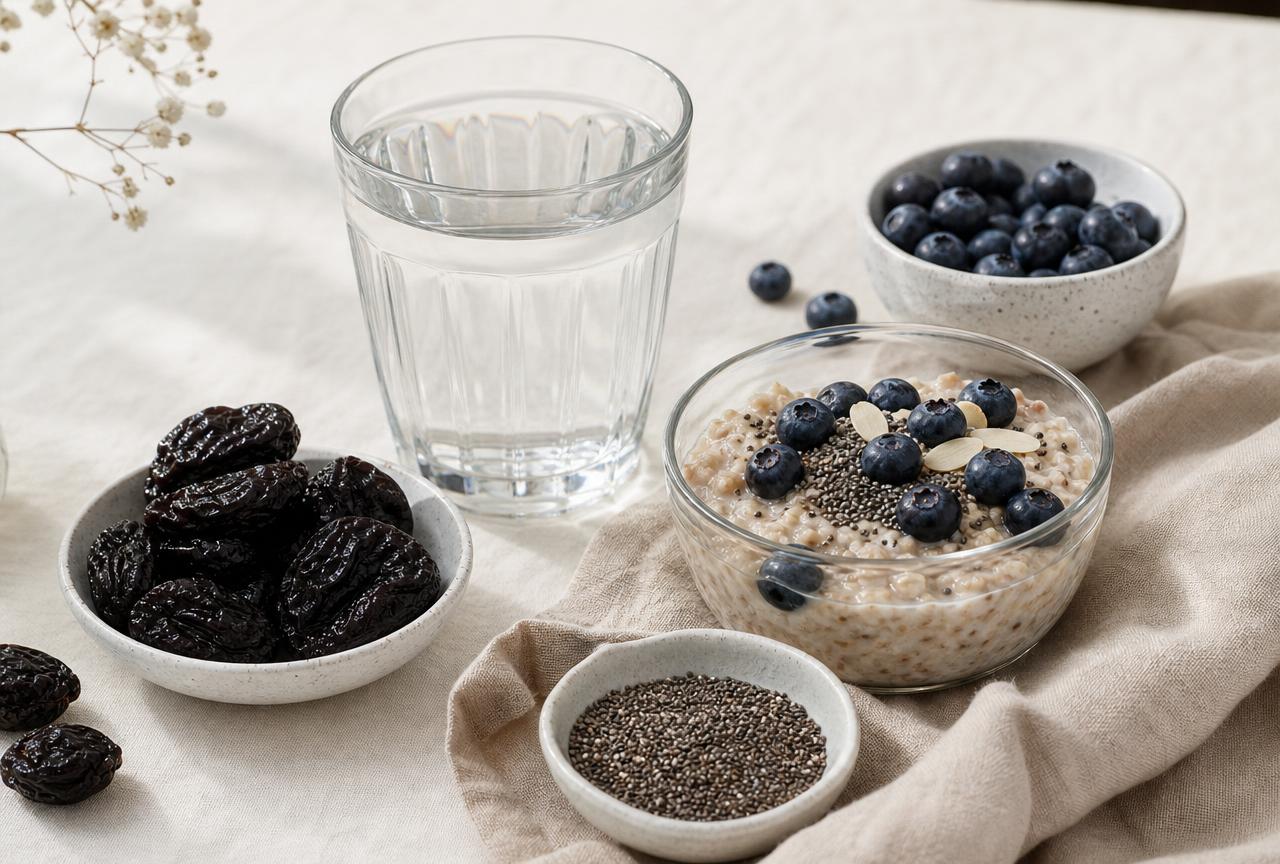
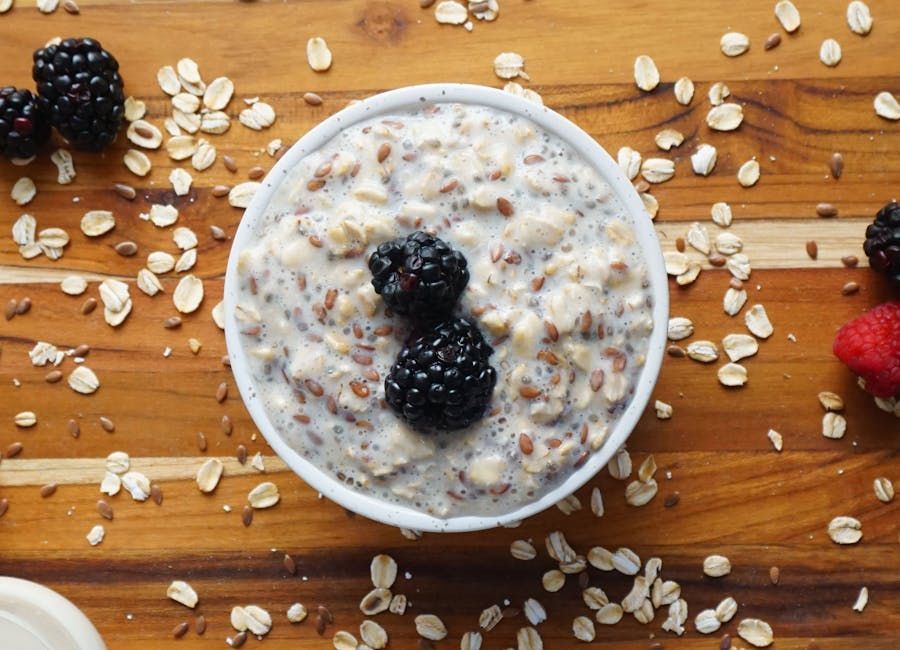
Foods that tend to help include kiwi, prunes and prune juice, pears, berries, oats, chia pudding, ground flax sprinkled into yogurt or smoothies, leafy greens, beans, and high-fiber whole grains. Two kiwis a day has actually been studied as a constipation intervention and works for a surprising number of people. Prunes are old-fashioned but still effective.
Foods that tend to make things worse on a GLP-1 include heavy red meat without enough fiber alongside it, processed cheese-heavy meals, white bread and white rice with no fiber companion, and excess dairy for patients who are even mildly lactose-intolerant. None of these need to be eliminated. They just need to be balanced with the fiber-and-fluid side of the plate.
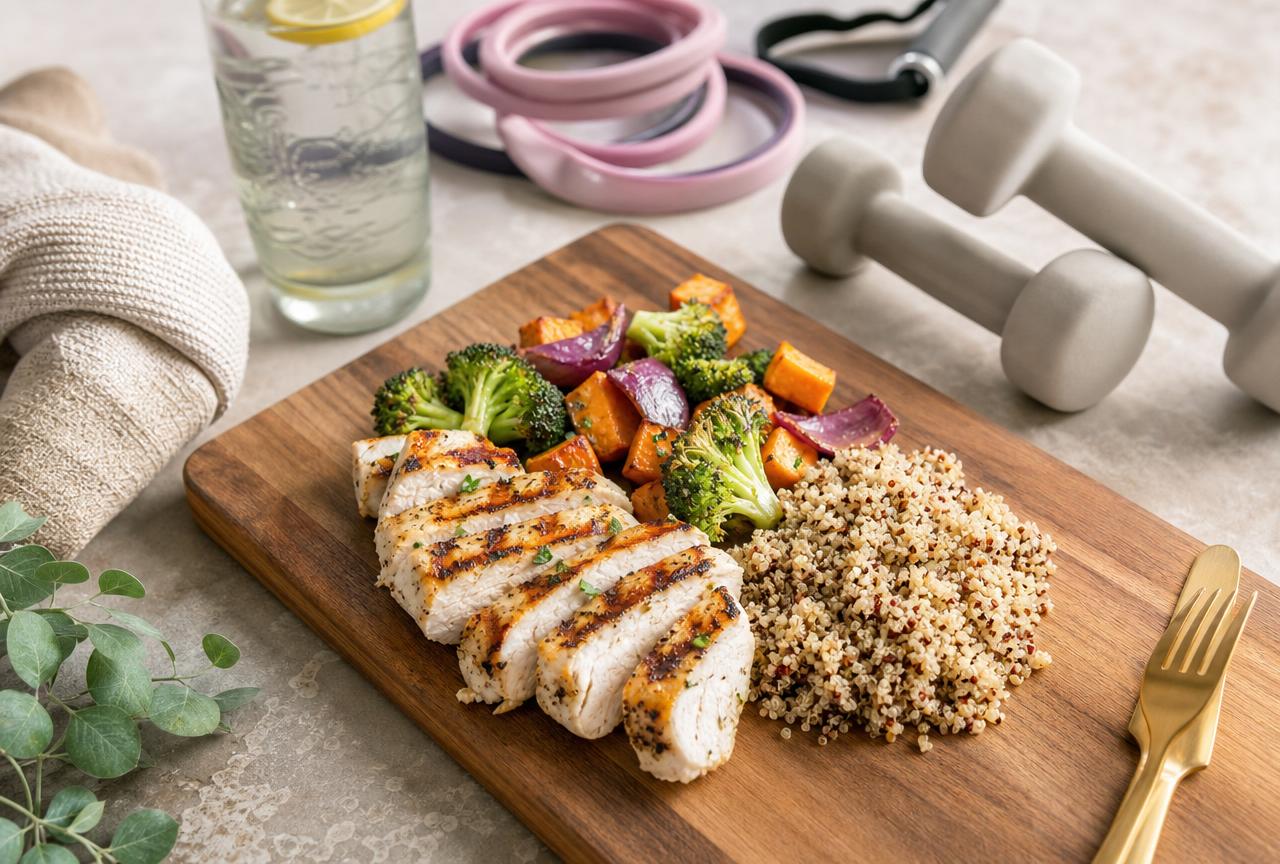
One more thing. Protein is not the enemy here. Many GLP-1 patients are intentionally pushing protein, which is the right call for preserving muscle. The issue is not protein itself. It is protein in isolation without vegetables, fruit, or whole grains alongside it. Build the plate around lean protein plus a fiber-rich side, every meal, and most of the food piece sorts itself out.
4. Red Flags That Mean Call Your Clinician
Most GLP-1 constipation is uncomfortable but not dangerous. There is a smaller set of patterns that deserve a phone call or a visit rather than another bottle of magnesium citrate.
Severe abdominal pain that is constant or worsening, especially if it comes with vomiting or inability to pass gas, can point to a bowel obstruction or to ileus, which is when the gut stops moving entirely. Both are medical issues that need evaluation. Do not assume it is just bad constipation.
Blood in the stool, black tarry stool, or unexplained weight loss beyond what your medication would account for are worth surfacing. So is a sudden change in bowel pattern that does not respond to the basic interventions over a couple of weeks.
Constipation that comes with fever, persistent vomiting, or signs of dehydration is also a reason to call rather than wait. Patients on GLP-1s already trend toward lower fluid intake, and constipation plus dehydration can spiral fast.
5. Common Mistakes That Make It Worse
A few patterns show up repeatedly in clinic. They are all fixable once you spot them. The first is the white-knuckle approach, where patients try to push through with willpower and time rather than actually changing fluid, fiber, and movement. Time alone is not the solution. Pattern change is.
The second is fiber without fluid. Patients who load up on fiber supplements without doubling water intake almost always end up more constipated, not less. Psyllium husk in a glass of water at breakfast can be a great tool, or it can make things significantly worse depending on whether you keep drinking water the rest of the day.
The third is the stimulant-laxative spiral. Senna, bisacodyl, and similar products work, but the bowel can become dependent on them when they are used daily for weeks. If you are reaching for one more than a couple of times a week, that is a clinician conversation, not a self-management plan.
The fourth is ignoring it during dose titrations. Constipation tends to flare with every dose step up. The patients who do best are the ones who proactively tighten their fluid and fiber pattern the week of and the week after each increase, rather than reacting once it gets bad.
Key Takeaways: Managing Constipation on GLP-1 Medications
Constipation on GLP-1 medications is common, predictable, and almost always manageable with the right combination of hydration, fiber, movement, and occasionally a gentle OTC option. The mechanism that causes it is the same mechanism that makes these medications effective, which means the goal is to manage it well rather than to make it disappear entirely.
If you are doing the basics and still struggling, or if any of the red flags above show up, bring it to your StemVera care team. There is almost always a tactical adjustment that works. You do not have to choose between weight loss progress and a comfortable gut. Both are possible with the right plan.
Frequently asked questions
Related treatments
Explore the clinician-supervised programs StemVera offers for the conditions and medications discussed in this article.