
Alcohol on GLP-1 Weight-Loss Medications: Can You Drink (and What’s the Risk?)
Can you drink alcohol on GLP-1 weight-loss meds? Learn the most common risks (nausea, dehydration, blood sugar), who should be extra cautious, and red flags to contact your clinician.
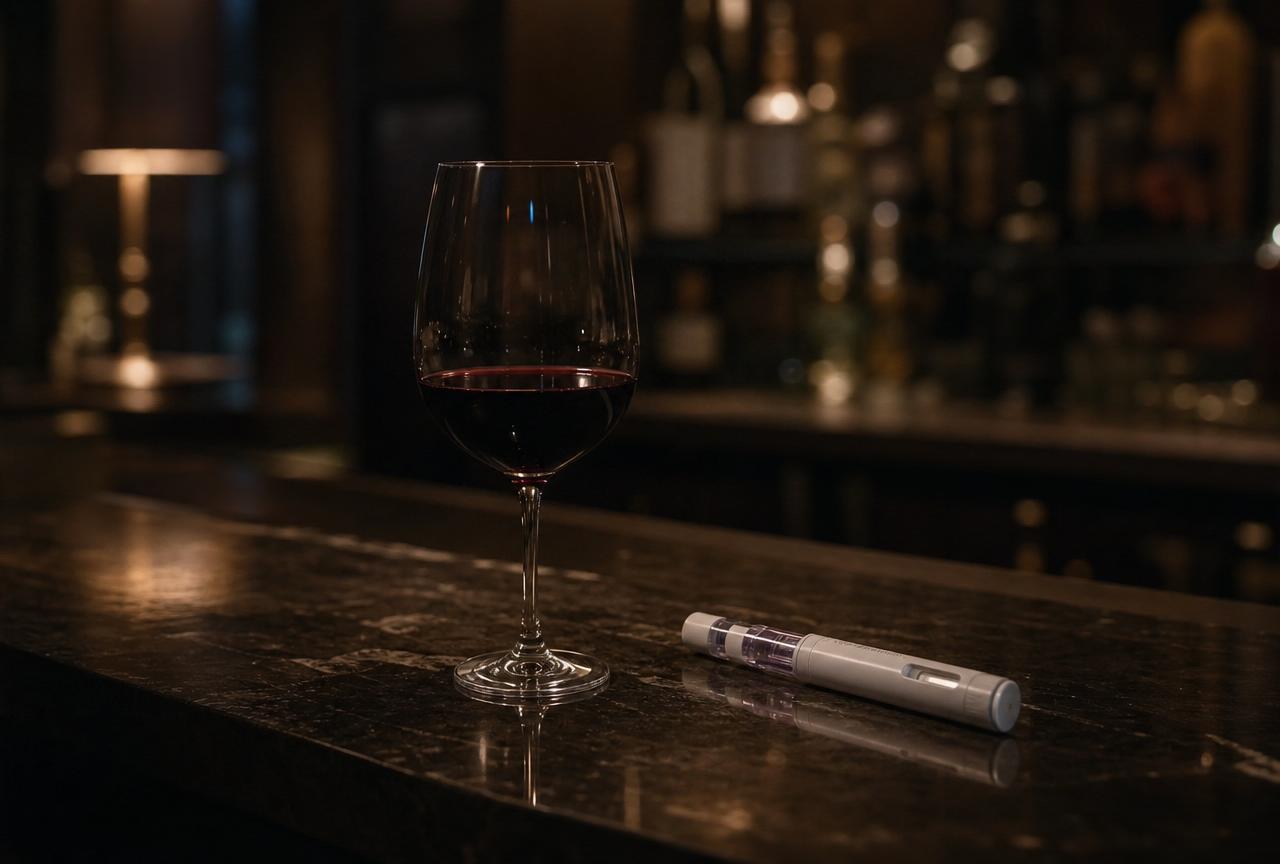
Many people on GLP-1 weight-loss medications wonder whether an occasional drink is “allowed.” In most cases, alcohol isn’t listed as a direct drug interaction but it can worsen side effects, affect blood sugar, and make adherence harder.
This guide explains the most common risks of drinking alcohol on GLP-1s and the red flags that should prompt medical guidance.
For StemVera’s clinician-guided weight-loss pathways overview, start here:“ StemVera - Weight Loss ”.
Does alcohol directly interact with GLP-1 medications?
Most sources note no known direct interaction between GLP-1s (like semaglutide) and alcohol, but many clinicians still recommend limiting alcohol because it can intensify side effects and complicate blood sugar control.
A practical way to think about it is: alcohol may not “cancel” the medication, but it can make the overall plan harder to tolerate and easier to derail.
Why can alcohol feel worse when you’re on a GLP-1?
Alcohol can feel worse because GLP-1s commonly affect appetite and digestion, and alcohol can amplify nausea, dizziness, and dehydration especially if you drink on an empty stomach or choose higher-sugar cocktails.
Alcohol also adds “easy calories,” which can slow weight progress even if your appetite is lower.
Who should be most cautious about drinking alcohol on GLP-1s?
You should be most cautious if you have diabetes (especially if you use insulin or certain diabetes medications), a history of pancreatitis, or a pattern of significant GI side effects because alcohol can increase risk and make symptoms harder to manage.
Use this comparison table to spot which risk bucket you’re in.
| Situation | Why alcohol is riskier here | What to do before drinking | When to skip and contact your clinician |
|---|---|---|---|
| You have diabetes and use insulin or sulfonylureas | Alcohol can increase hypoglycemia risk, especially without food | Ask your clinician about safe limits + monitoring; avoid drinking on an empty stomach | Recurrent lows, confusion, fainting, or you can’t keep food down |
| You get strong nausea/vomiting on GLP-1s | Alcohol can worsen nausea and dehydration | Choose lower-irritant drinks; eat first; stop early | Persistent vomiting or dehydration symptoms |
| You have a history of pancreatitis (or severe abdominal pain episodes) | Alcohol can be a pancreatitis trigger for some people | Discuss with your clinician before drinking | Severe belly pain (especially with vomiting) |
| You’re early in treatment and still adjusting | Side effects can be more noticeable early on | If you drink, keep it minimal and watch your response | Any symptom pattern that is suddenly worse than usual |
| You’ve struggled with adherence (missed doses, under-eating, low hydration) | Alcohol can add friction (sleep, meals, hydration) | Set a non-negotiable hydration + protein anchor plan | You repeatedly under-eat or feel weak/lightheaded |
If you choose to drink, what’s the safest approach?
The safest approach is to drink less, eat first, and stop early if side effects show up. You’re trying to avoid the two common failure modes: dehydration and blood sugar problems.
Safer-drinking checklist (GLP-1 aware)
- Eat a normal meal or protein-forward snack before your first drink
- Keep to a small amount (avoid “catching up” with multiple drinks quickly)
- Choose simpler, lower-sugar options (cocktails can combine alcohol + sugar + carbonation)
- Sip water between drinks and don’t rely on alcohol to replace fluids
- Stop drinking at the first sign of nausea, dizziness, or unusual fatigue
- If you have diabetes, follow your clinician’s guidance on glucose monitoring and how to treat lows
If you’re unsure about program policies or support for side effects,StemVera’s FAQ is a quick reference .
What are common mistakes and red flags when mixing alcohol with GLP-1s?
The biggest problems usually come from drinking patterns that combine alcohol with low intake, low hydration, and fast pacing.
Common mistakes:
- Drinking on an empty stomach because appetite is low
- Choosing sweet or high-fat meals + alcohol(often worsens nausea)
- Trying to “push through” dizziness or vomiting instead of stopping early
- Assuming one good experience means it’s always fine(tolerance can vary week to week)
Red flags (get medical guidance):
- You can’t keep fluids down, or you have signs of dehydration (dizziness, fainting, very dark urine)
- Confusion, sweating, shakiness, or fainting (possible low blood sugar)
- Severe or worsening abdominal pain, especially with vomiting
- Any symptom pattern that feels suddenly different or more intense than usual
Two realistic mini-scenarios
Scenario 1: Diabetes + “no appetite” day.
Sanjay uses diabetes medication and has very low appetite on treatment. At a party he drinks without eating and later feels shaky and confused. The fix isn’t “never socialize” it’s treating food-first and monitoring as non-negotiable, and aligning drinking limits with clinician guidance.
Scenario 2: Cocktails trigger nausea.
Maya tolerates her GLP-1 well until she has two sugary cocktails on an empty stomach. She feels nauseated and lightheaded and skips dinner. Next time, she eats first, chooses a simpler drink, and stops at the first sign of discomfort making the night feel normal instead of miserable.
FAQ: alcohol on GLP-1 weight-loss medications
Common Pitfalls and Warning Signs of Alcohol Use on GLP-1s
Can alcohol make GLP-1 side effects worse?
Yes. Alcohol can worsen nausea, dizziness, and dehydration in some people especially with fast drinking or low food intake.
Can alcohol cause low blood sugar on GLP-1s?
It can, especially in people with diabetes and those using insulin or certain diabetes medications. Alcohol can lower blood sugar and can be riskier when you drink without eating.
Should I avoid alcohol completely?
That’s a clinician decision based on your health history, medication list, and how you tolerate treatment. If you choose to drink, the safest approach is “less, slower, with food.”
For a clinician-guided weight-loss pathway and medication support options, start here:“StemVera - Weight Loss” .
Frequently asked questions
Related treatments
Explore the clinician-supervised programs StemVera offers for the conditions and medications discussed in this article.