Mounjaro vs Zepbound: Same Drug, Different Label, What It Means for Weight Loss Patients
Mounjaro and Zepbound contain the same drug (tirzepatide). So why two names? Learn what differs, how the labels affect insurance and cost, and which one fits your situation.
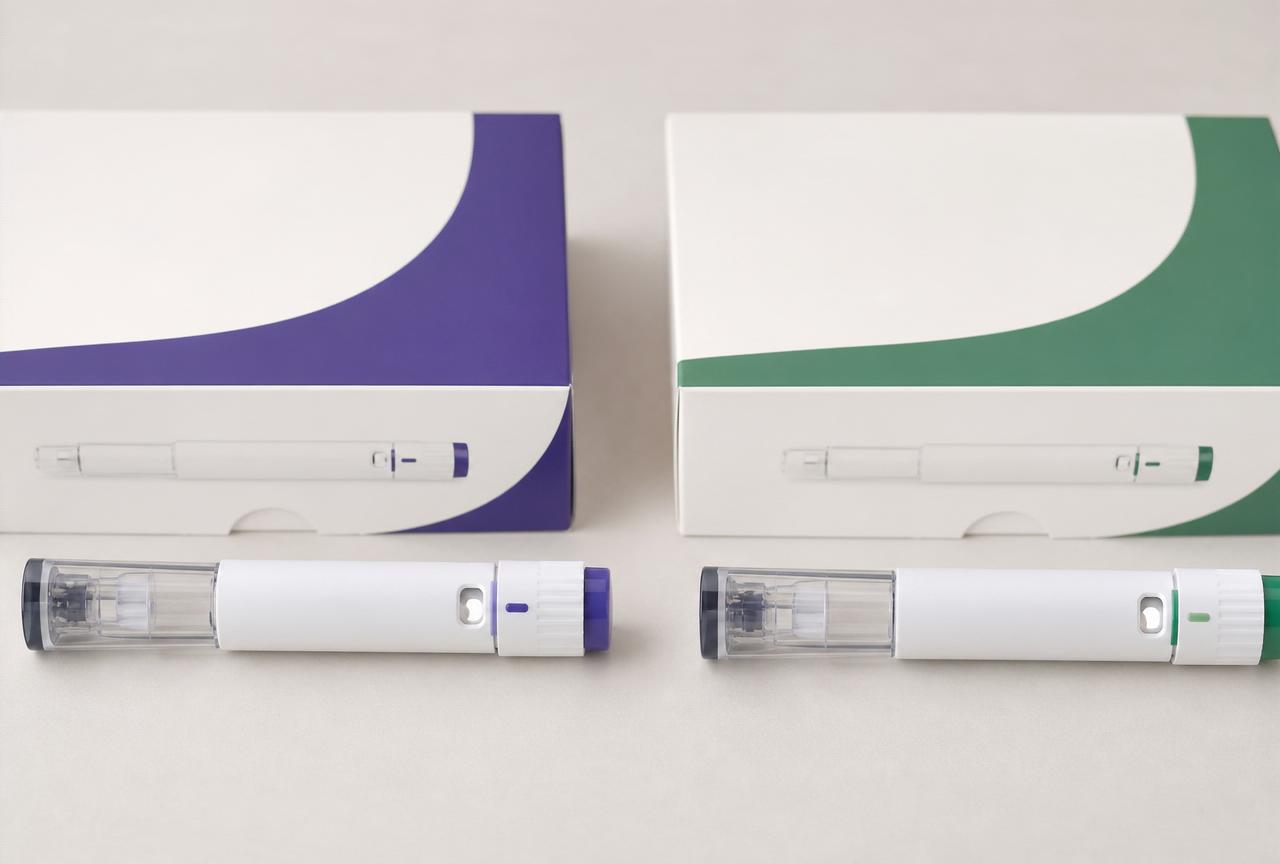
Walk into almost any conversation about GLP-1 medications and you will hear the brand names tossed around like they are completely different products. Ozempic, Wegovy, Mounjaro, Zepbound. People ask if Mounjaro is better than Zepbound, or which one their friend got, or whether they should switch from one to the other. Then their clinician quietly mentions that Mounjaro and Zepbound are actually the same drug with the same dosing, just different labels. Cue confusion.
This is one of the most common questions we field at StemVera, and it is worth a clear answer. Mounjaro and Zepbound both contain tirzepatide. The molecule is identical. The dosing pens and titration schedules are identical. The manufacturer is identical. What differs is the FDA-approved indication, which is the official reason a doctor can prescribe it, and that single difference cascades into real consequences for insurance coverage, cost, and access.
This guide breaks down exactly what the two labels mean, why a single drug needed two of them, what it changes for you as a patient, and how to think about the decision when both are technically available.
1. Same Molecule, Two Labels
Tirzepatide is a dual GIP and GLP-1 receptor agonist made by Eli Lilly. It is a once-weekly injection that lowers blood sugar, slows gastric emptying, and reduces appetite. The FDA approved it twice. First as Mounjaro in May 2022, indicated to improve blood sugar control in adults with type 2 diabetes. Second as Zepbound in November 2023, indicated for chronic weight management in adults with obesity or overweight with at least one weight-related comorbidity.
Inside the pens you get the same drug at the same doses, 2.5, 5, 7.5, 10, 12.5, and 15 milligrams. The titration schedule, side effects, contraindications, and clinical data behind both labels overlap almost entirely. Lilly chose to market it under two brand names because the FDA approval process is indication-specific, and because the diabetes and weight management worlds have very different payer landscapes.
This is not unusual in pharma. The same approach has been used with semaglutide, where Ozempic is the diabetes label and Wegovy is the weight management label. The drug is the same. The market positioning, packaging, and insurance pathways are not.
2. Why Does the Label Matter If the Drug Is the Same?
The label dictates what your insurance is willing to pay for, and that is the practical difference patients run into. A plan that covers Mounjaro for type 2 diabetes will often refuse to cover Zepbound for weight loss, even though the molecule is identical and the patient is the same person. Conversely, a plan that has finally agreed to cover weight loss medications may insist on Zepbound specifically because that is the indication-matched label.
This shapes prior authorization paperwork, which we have written about separately, and it shapes pricing. Cash prices for Mounjaro and Zepbound tend to be similar, in the range of around a thousand to thirteen hundred dollars per month at list price, but copay and savings programs differ. Lilly has run separate savings cards for each, with different eligibility rules and different maximum benefits.
The label also affects how clinicians document visits. To prescribe Mounjaro, the visit needs to document type 2 diabetes management and decisions around blood sugar, A1C, and metabolic care. To prescribe Zepbound, the visit needs to document obesity or overweight with comorbidities and weight management as the treatment goal. The clinical reasoning that supports the prescription is part of what makes coverage possible at all.
3. Which One Is "Better" for Weight Loss?
The honest answer is that there is no difference in clinical effect, because there is no difference in drug. The weight loss data behind Zepbound comes from the SURMOUNT trial program, where tirzepatide produced average weight reductions of around fifteen to twenty-two percent depending on dose. The diabetes data behind Mounjaro from the SURPASS program shows the same drug working as expected on glucose and weight in patients with type 2 diabetes.
If a patient on Mounjaro for diabetes loses significant weight, they are not getting a different drug than a patient on Zepbound. They are getting the same molecule, doing the same things, achieving the same outcomes. Some patients have heard rumors that one or the other is more potent. It is not. The labels are about indications, not formulation.
Where individual patient experience varies is in side effect tolerance, dose response, and how the body adjusts during titration. That variability exists within each label and between patients on the same label, not between the two labels themselves.

4. How to Think About Which Label You Should Get
For most patients, the decision is not really theirs to make in isolation. It is a function of what condition the prescription is treating, what insurance will cover, and what makes the cleanest path forward. The framework that usually works looks like this.
If you have type 2 diabetes and weight is a concern, Mounjaro is typically the right starting label. The diabetes indication unlocks the broadest insurance coverage in most plans, and the weight benefit comes along for the ride. Documentation centers on glucose management with weight as a secondary outcome.
If you do not have type 2 diabetes and your concern is weight management, Zepbound is the right label. Trying to obtain Mounjaro for off-label weight loss when you do not have diabetes is increasingly difficult and can put your prescription at risk of insurance clawback or pharmacy refusal. The honest, indication-matched path is also the durable one.
If you have prediabetes, the decision can go either way depending on your plan, your clinician, and the specifics of your case. Some plans will cover Zepbound with prediabetes plus weight-related comorbidities. Others require formal type 2 diabetes diagnosis before considering Mounjaro coverage. This is exactly the situation where having a clinician who understands the payer landscape matters more than which brand name shows up on the pen.
5. Common Confusions Worth Clearing Up
A few questions come up over and over. The first is whether you can switch between the two labels mid-treatment. Technically yes, since the drug is the same, but practically it requires a new prescription, a new prior authorization, and a fresh insurance review. Doing it for clinical reasons rarely makes sense. Doing it because your coverage shifted from one to the other is common.
The second is whether the supply shortage that affected tirzepatide a couple of years ago affects both labels equally. Yes. They come from the same manufacturing pipeline. When tirzepatide is short, both Mounjaro and Zepbound are affected. The same is true for storage, shelf life, and pen design.
The third is whether compounded tirzepatide is equivalent to either label. It is not. Compounded versions are produced by 503A or 503B pharmacies under different regulatory frameworks, not by Lilly, and the FDA has been clear that compounded GLP-1 products are not interchangeable with the approved branded versions. We covered the safety considerations in detail in our compounded GLP-1 article. If you are choosing between branded Mounjaro or Zepbound and a compounded alternative, that is a different conversation than choosing between the two brand labels.
Choosing Between Mounjaro and Zepbound: Insurance & Indications
Mounjaro and Zepbound are the same drug wearing two different labels. Once you understand that, the rest of the decision tree gets simpler. The label that matches your indication is usually the label your insurance will cover, and the label your insurance will cover is usually the one your clinician should prescribe. There is no secret performance difference. There is no better or worse molecule. There is just a regulatory and reimbursement system that needed two doors into the same room.
If you are evaluating tirzepatide and are not sure which label fits your situation, that is exactly the kind of question to bring to your StemVera consult. We will look at your full clinical picture, your insurance, and your goals, and recommend the path that is both clinically appropriate and most likely to be covered. The right prescription is the one that actually reaches your hands.
Frequently asked questions
Related treatments
Explore the clinician-supervised programs StemVera offers for the conditions and medications discussed in this article.