
How to Prevent Muscle Loss While Losing Weight on GLP-1s (Protein + Strength Plan)
Worried about muscle loss on GLP-1s? Learn a practical plan to preserve lean mass, protein anchors, a simple strength routine, a weekly checklist, and common mistakes to avoid.

How to Prevent Muscle Loss While Losing Weight on GLP-1s (Protein + Strength Plan)
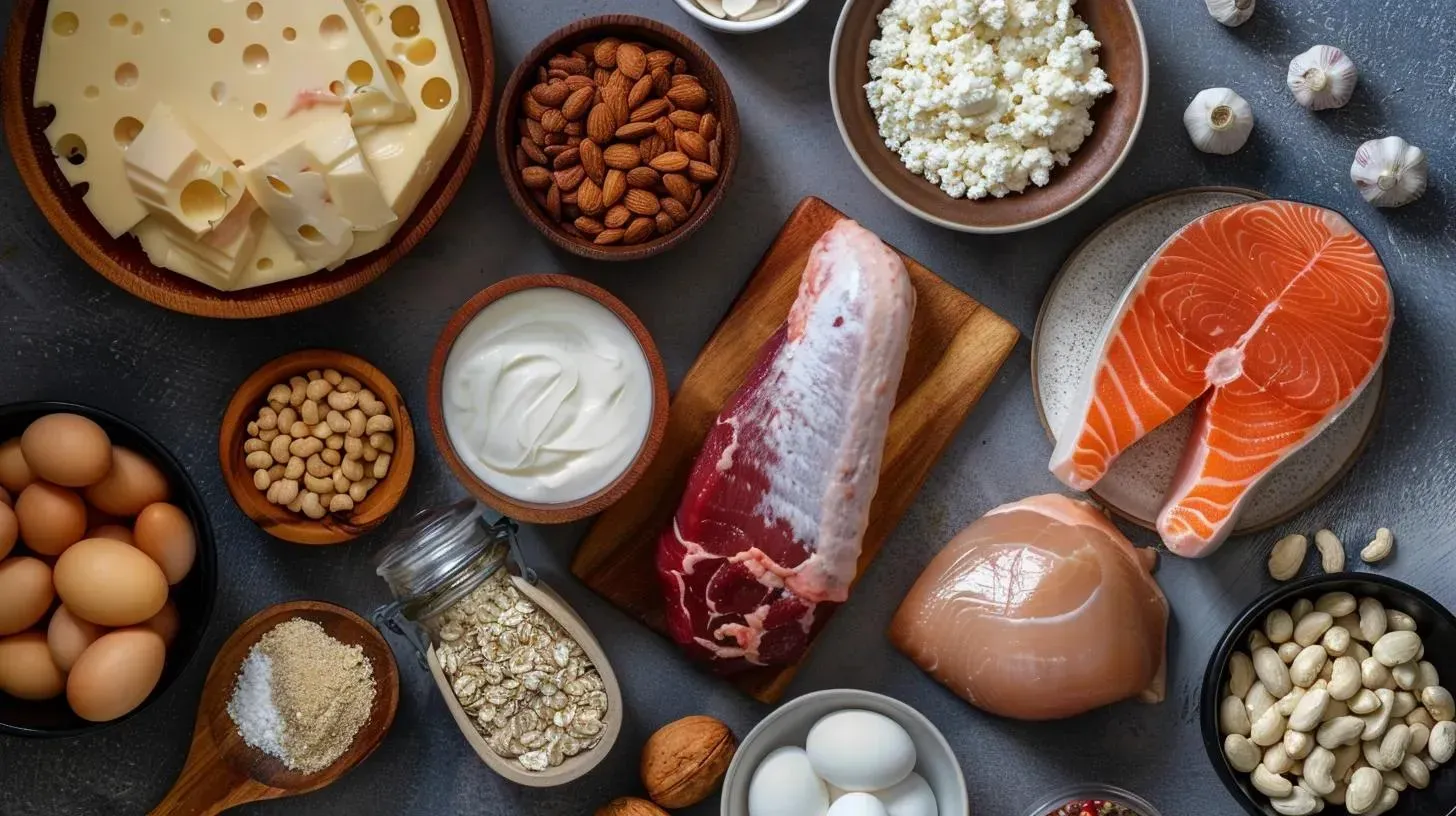
GLP-1 medications can make weight loss easier by reducing appetite, but eating less can also make it easier to lose lean mass if you don’t protect it.
The goal isn’t “no lean-mass change ever.” The goal is to keep strength and function while you reduce fat by prioritizing protein, strength training, and a routine you can repeat even on low-appetite days.
StemVera weight-loss pathways overview.
How do you prevent muscle loss while losing weight on GLP-1s?
You prevent muscle loss by combining adequate protein with regular resistance training, then supporting both with enough overall nutrition and a simple movement baseline.
Think of it as a 3-part system:
1. Protein anchors(so appetite suppression doesn’t erase protein) 2. Strength training(the signal that tells your body to keep muscle) 3. Consistency(the plan you’ll actually follow when appetite is low)
What are the most effective “muscle preservation levers” on GLP-1s?
The most effective levers are the ones that address the two big risks:under-eating protein and skipping resistance training.
Use this table to choose a “minimum viable plan” you can stick to.
| Muscle-preservation lever | Why it works (simple) | What to do (practical) | Easiest way to start |
|---|---|---|---|
| Protein at each meal | Helps preserve and rebuild muscle during weight loss | Add a protein anchor to every meal/snack window | Start with 2 protein anchors/day, then build to 3 |
| Resistance training 2-3x/week | Tells your body: keep this muscle | Full-body basics using large muscle groups | Two 20-30 min sessions/week (then scale up) |
| Daily movement baseline | Helps maintain function and supports body comp | Walks, short bouts, stairs, movement snacks | 10-20 minutes/day, most days |
| Enough total intake to avoid under-fueling | Extreme restriction increases fatigue and reduces training | Small, repeatable mini-meals when appetite is low | Use mini-meal defaults (see checklist below) |
| Sleep and recovery | Poor sleep undermines training and appetite regulation | Keep a stable sleep window when possible | Protect a consistent bedtime 4-5 nights/week |
How should you structure protein when appetite is low?
Structure protein as anchors, not a perfect macro target. When portions shrink, protein often disappears first so your job is to make protein the part that stays.
A simple approach:
- Choose 3-5 “easy proteins” you tolerate even on low-appetite days
- Spread protein across the day instead of trying to “make it up” at dinner
- Use mini-meals when a full plate feels impossible
Protein-first mini-meal ideas (low-friction)
- Greek yogurt or cottage cheese + fruit
- Eggs (or egg bites) + toast
- Broth-based soup + shredded chicken/tofu
- Protein smoothieas a supplement, not your only food
- Fish/chicken/tofu + rice or potatoes (small portion)
What strength training plan works best for GLP-1 users?
The best plan is the one you’ll do consistently:two full-body sessions per week is a strong starting floor for most people, then build volume if you’re recovering well.
You don’t need complex programming. Focus on big, repeatable movements:
- Lower body: squat pattern, hinge pattern
- Upper body: push + pull
- Core: carry or plank
If you’re new to lifting, start light and focus on technique. If you have medical conditions, injury history, or you feel unwell, ask your clinician what’s appropriate.
How can you tell if you’re preserving muscle without fancy tests?
Use “function and consistency” markers: if you’re keeping strength sessions, hitting protein anchors, and your energy/function are stable, you’re usually doing the right things.
Muscle-preservation checklist (weekly)
- 2 strength sessions completed (even short ones) .
- 2-3 protein anchors most days .
- A daily movement baseline (walks or short bouts) .
- No long stretches of “almost no food” due to low appetite .
- A weekly weight trend (average) plus one non-scale metric (waist/fit) .
- Sleep routine is “good enough” most nights .
- You have 2 mini-meal defaults for low-appetite days .

Common mistakes and red flags when trying to protect muscle on GLP-1s
The most common mistakes are about letting appetite suppression quietly erase the building blocks of muscle.
- Only doing cardio. Cardio is great for health, but resistance training is the main muscle-preservation signal.
- Letting protein become optional. If you can only eat a little, protein usually needs to be the priority.
- Skipping meals all day. This often leads to under-fueling, fatigue, and missed workouts.
- Trying to be “too perfect.” A repeatable plan beats an ideal plan you quit.
Red flags to discuss with your clinician: noticeable ongoing weakness, frequent dizziness/lightheadedness, inability to keep fluids/food down, or a pattern where low appetite makes you consistently miss nutrition and training.
Two realistic mini-scenarios
Scenario 1: “Appetite is low, so protein is disappearing.”
Farah feels full quickly and starts living on coffee, a small snack, and a light dinner. Within two weeks, she feels weaker during workouts. She fixes it with two defaults: a protein-first breakfast mini-meal and a protein snack window (yogurt/eggs/soup). Once protein anchors return, her training feels normal again.
Scenario 2: “Weight is dropping, but strength is too.”
Dev is happy with the scale trend but notices he’s losing reps on lifts and feels “softer.” He realizes he stopped strength training and is walking only. He adds two 25-minute full-body sessions weekly and keeps a simple protein anchor at lunch and dinner. Over the next month, his strength stabilizes while weight continues trending down.
If you want clinician-guided weight-loss pathways (including GLP-1 options when appropriate), start here: StemVera - Weight Loss .
External sources (for deeper reading):
- Body composition analysis with DXA seePMC - DXA Substudy Article .
- Mass General Advances - Preserving Lean Body Mass with Protein + Exercise on GLP-1s: Researchers presenting in Mass General Advances report that combining a high-protein diet and consistent exercise with GLP-1 treatment has shown the greatest benefit in preserving bone and muscle mass during weight loss, compared with diet alone or high-protein diet alone. See“Preserving Lean Body Mass in Patients Taking GLP-1 for Weight Loss” .
- Cleveland Clinic - GLP-1 Diet Guidance (Protein + Fiber Emphasis): A GLP-1 diet focuses on nutritionally dense foods like fruits, vegetables, lean proteins, and whole grains, and specifically highlights protein and fiber as nutrients that help keep you feeling full longer, support muscle preservation, and stabilize blood sugar while on GLP-1 therapy. See“GLP-1 Diet: What To Eat & Avoid”.
- Mass General - Fitness Guidance for People Taking GLP-1 Agonists: Massachusetts General Hospital offers a comprehensive guide on designing a balanced fitness program to accompany GLP-1 agonist therapy. It emphasizes a mix of aerobic activity, strength training, and flexibility work, beginning gradually and tailored to individual ability, because regular movement supports weight management, muscle preservation, and overall health while taking GLP-1 medications. See “ Fitness for People Taking GLP-1 Agonists: A Comprehensive Guide”.
Frequently asked questions
Related treatments
Explore the clinician-supervised programs StemVera offers for the conditions and medications discussed in this article.