
Traveling With GLP-1 Medications: Packing, TSA Tips, and Temperature Rules That Matter
Flying or road-tripping on a GLP-1? Learn how to pack pens safely, handle TSA screening, keep medication in the right temperature range, and avoid common travel mistakes.
Traveling With GLP-1 Medications: Packing, TSA Tips, and Temperature Rules That Matter
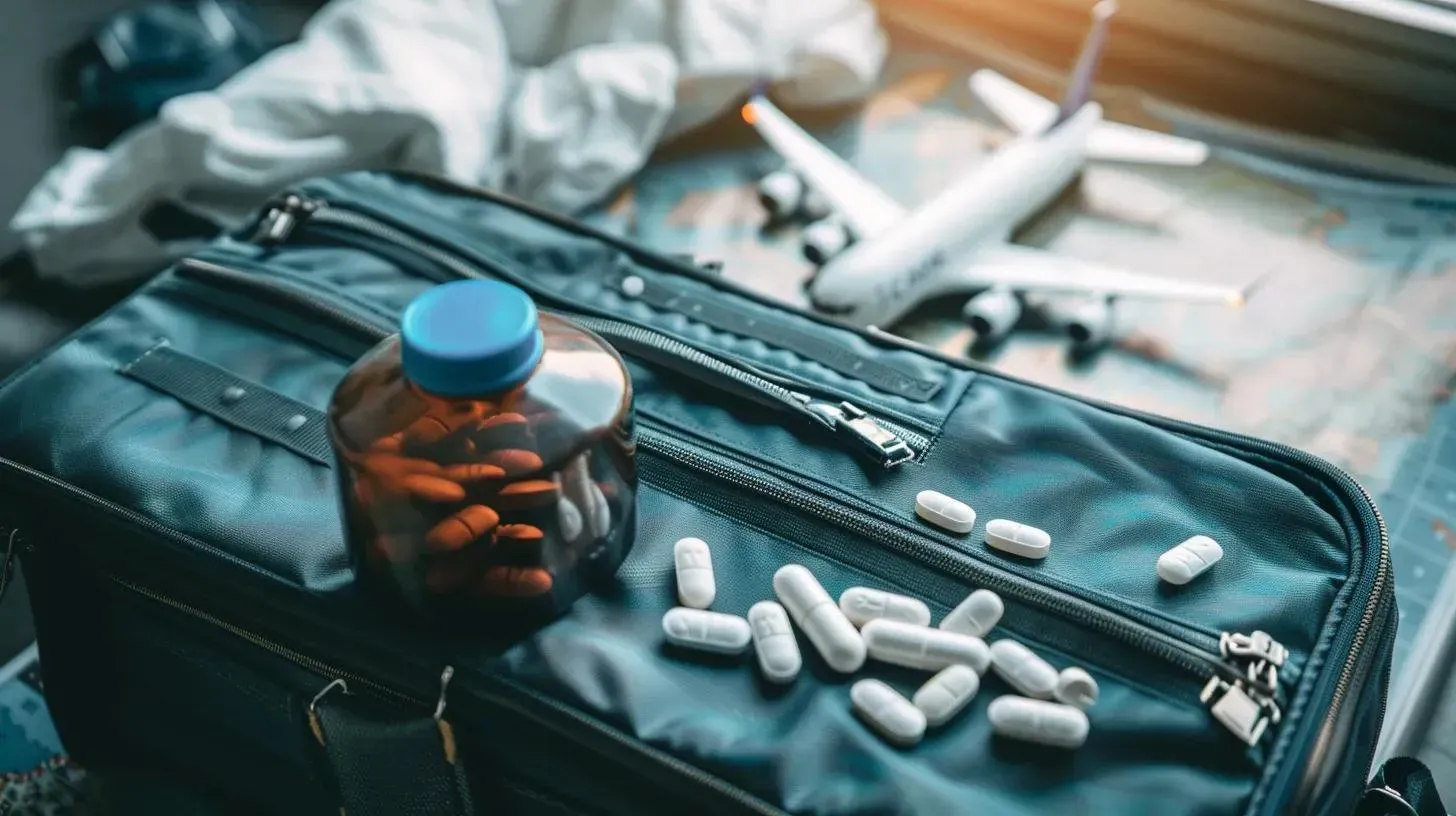
Travel doesn’t have to disrupt GLP-1 weight-loss treatment, but it does require a little planning mainly around temperature control,airport screening, and staying consistent with your routine.
This guide covers the practical basics for flying, road trips, and international travel, with clear boundaries: it won’t tell you how to change doses or what to do medically if something goes wrong.
If you want clinician-guided weight-loss support, start here:“StemVera - Weight Loss” .
What’s the safest way to pack GLP-1 medication for travel?
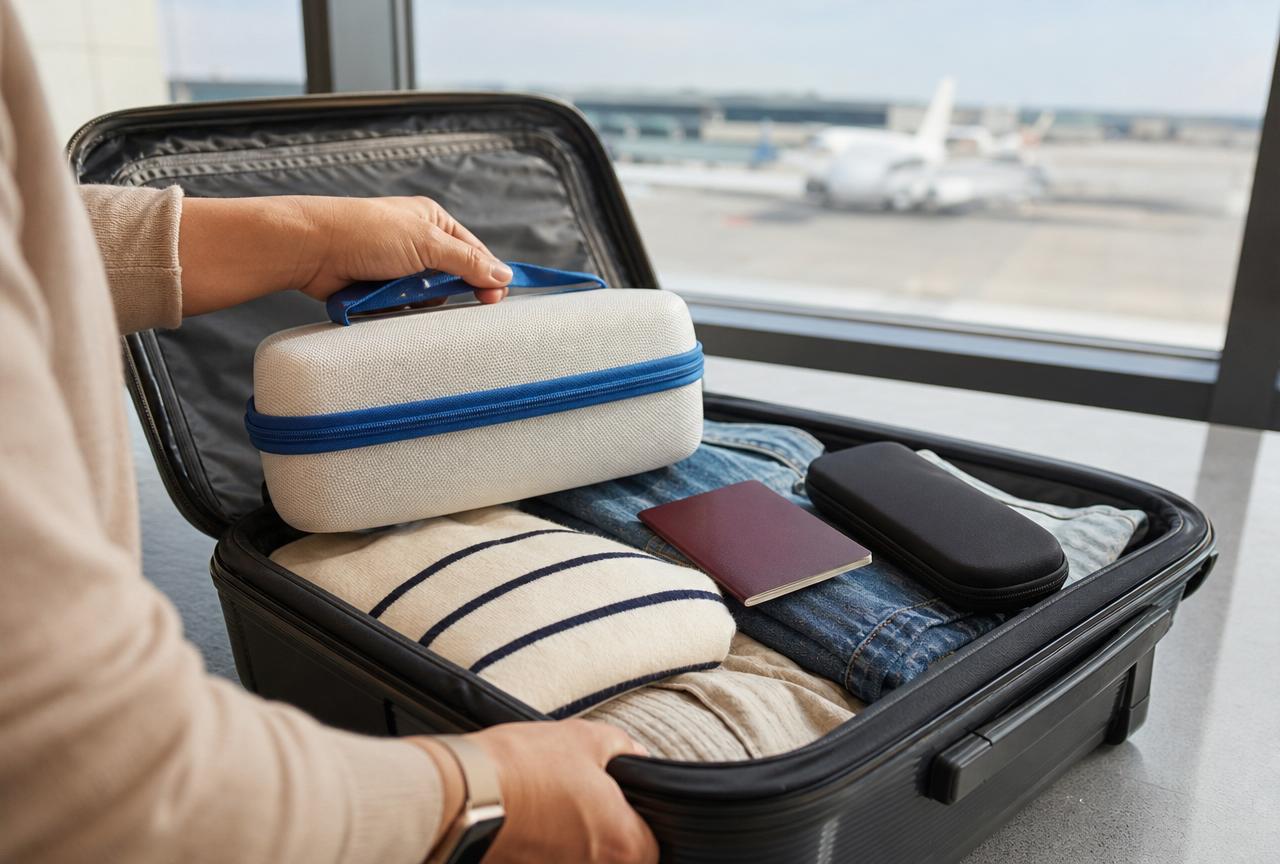
The safest approach is to keep your medication in your carry-on, in its original packaging, with the label that matches your name.
Carry-on reduces temperature exposure and avoids the “lost bag” problem. Original packaging makes airport screening and international customs smoother, and it helps you (and a pharmacist) confirm exactly what you’re carrying.
For international trips, carry a prescription copy or prescriber note with the generic name see CDC - Traveling Abroad with Medicine .
How do you keep GLP-1 pens at the right temperature on the road or in the air?
The best method is to follow your specific product’s storage label and build a travel setup that keeps the pen away from heat and freezing.
Many GLP-1 pens are stored refrigerated before use, and some can be kept at controlled room temperature for a limited time but the time limits and temperature ranges vary by product.
Here are two label-based examples (to show why checking your label matters):
- Wegovy pen storage: refrigerate at 36-46 °F (2-8 °C); unopened, pre-cap pens can be at 46-86 °F (8-30 °C) for ≤28 days seeFDA Prescribing Information for Wegovy .
- Ozempic pen storage: refrigerate at 36-46 °F (2-8 °C) before first use; after first use, store 36-46 °F or 59-86 °F for up to 56 days seeFDA Prescribing Information for Ozempic .
If your medication ever freezes or is exposed to excessive heat beyond the label guidance, treat it as a “pharmacist/prescriber question,” not a guess.
Travel temperature comparison table
| Travel situation | Biggest risk | What usually works best | What to avoid |
|---|---|---|---|
| Short domestic flight | Lost luggage + temperature swings | Carry-on; insulated pouch; keep pen in carton | Checking the pen; leaving it in a hot airport bag pocket |
| Long flight + layover | Time out of temp range | Insulated case + plan for delays; keep away from direct sunlight | Placing pen directly against ice packs (freeze risk) |
| Road trip (hot climate) | Heat in trunk/glove box | Keep with you in cabin; insulated case; never leave in parked car | Trunk storage; dashboard or glove box |
| Hotel without reliable fridge | Improvised cooling mistakes | Ask hotel for a fridge in advance; use label-based room-temp allowance if applicable | Freezing the pen or DIY freezer hacks |
| International travel | Customs questions + supply issues | Original packaging + prescription copy; carry extra supplies; know your refill plan | Decanting meds into unmarked containers |
GLP-1 Pen Temperature Control Tips for Air and Road Travel
In the U.S., injectable medications and supplies can go through TSA checkpoints, but you should declare them and keep them easy to remove from your bag.
Unused syringes are allowed when accompanied by injectable medication, and the Transportation Security Administration (TSA) recommends declaring them at the security checkpoint. See “ TSA - Unused Syringes ”
Medically necessary liquids and gel or ice packs are allowed in reasonable quantities, and the Transportation Security Administration (TSA) requires travelers to declare them at the checkpoint for additional screening. See, Transportation Security Administration -“ What Can I Bring? Medical ”
Practical screening tip: keep your pens, needles, alcohol swabs, and cooling items together in a small pouch so you can place it in a separate bin without unpacking your whole bag.
How should you handle time zones and dose days when you travel?
For most people, the goal is to keep the plan consistent rather than “perfect.” Weekly injections are often easiest when you maintain your usual dose day and choose a time that fits your travel schedule.
If you’re crossing many time zones, traveling for multiple weeks, or your trip will put your usual dose day in the middle of a long travel day, ask your prescriber ahead of time what they prefer for your specific situation.
If you miss a dose or you’re unsure about timing, follow your prescriber’s instructions and the medication guide for your product rather than improvising.
What should you prepare before you leave?
A short prep list prevents most travel problems: medication identification, a temperature plan, and a backup plan for delays.
GLP-1 travel checklist
- Pack medication in carry-on, in original carton/box with pharmacy label
- Carry a copy of your prescription when traveling, and including the generic name of the medication can be especially helpful for international travel. See,“ Travel Abroad With Medicine ”.
- Pack more supplies than you think you need (needles, alcohol swabs, bandages)
- Use an insulated case if your label requires temperature control
- Write down your prescriber’s contact and your pharmacy contact
- Set reminders for meals/hydration if travel days disrupt your routine
- Confirm what you’ll do if a flight is delayed or a hotel has no fridge
If you have program logistics questions (shipping, support, messaging),StemVera’s FAQ can help.
Common travel mistakes and red flags
Most travel issues come from temperature mistakes or last-minute packing.
Common mistakes:
- Packing medication in checked luggage(lost bags + uncontrolled temperatures)
- Leaving the pen in a parked car(heat spikes fast)
- Putting the pen directly on ice(freeze risk)
- Removing packaging and labels before an international trip (customs confusion)
- Treating dose timing as a “DIY math problem” instead of asking your clinician
Red flags (pause and get guidance):
- The medication froze, got very hot, or you’re unsure how long it was out of range
- You can’t confirm the product, concentration, or instructions because labeling is unclear
- Travel-related nausea/vomiting makes it hard to hydrate or eat enough to function
Two realistic mini-scenarios
Scenario 1: The layover delay.
Karan has a long layover after a flight cancellation. His pen is in carry-on, inside an insulated pouch, and he knows his label’s room-temperature allowance. Because he planned for delays, he doesn’t panic-buy ice that could freeze the medication.
Scenario 2: The international customs question.
Sara arrives abroad and an agent asks what the injectable medication is. Because she kept the pen in its labeled carton and has a prescription copy, she can answer quickly and move on without losing time.
FAQ: traveling with GLP-1 medication
Do I need a doctor’s letter to fly with GLP-1 pens?
Often you can fly with prescription injectables without a separate letter, but carrying the original label and a prescription copy can reduce friction especially internationally.
Should I bring my medication in carry-on or checked luggage?
Carry-on is usually the safer choice for temperature control and to avoid lost luggage.
What if I’m not sure whether my medication got too warm?
Treat it as a pharmacist/prescriber question. The right answer depends on your product’s storage guidance and what actually happened.
Looking for structured weight-loss support with clinician oversight and practical medication pathways tailored to everyday life and travel? Explore “ StemVera - Weight Loss .”
Frequently asked questions
Related treatments
Explore the clinician-supervised programs StemVera offers for the conditions and medications discussed in this article.