
Hair Loss on GLP-1 Weight-Loss Medications: Why It Happens (and What to Do)
Losing hair on a GLP-1? Learn why shedding happens during rapid weight loss, how to tell telogen effluvium from other hair loss patterns, what to do first, and red flags.

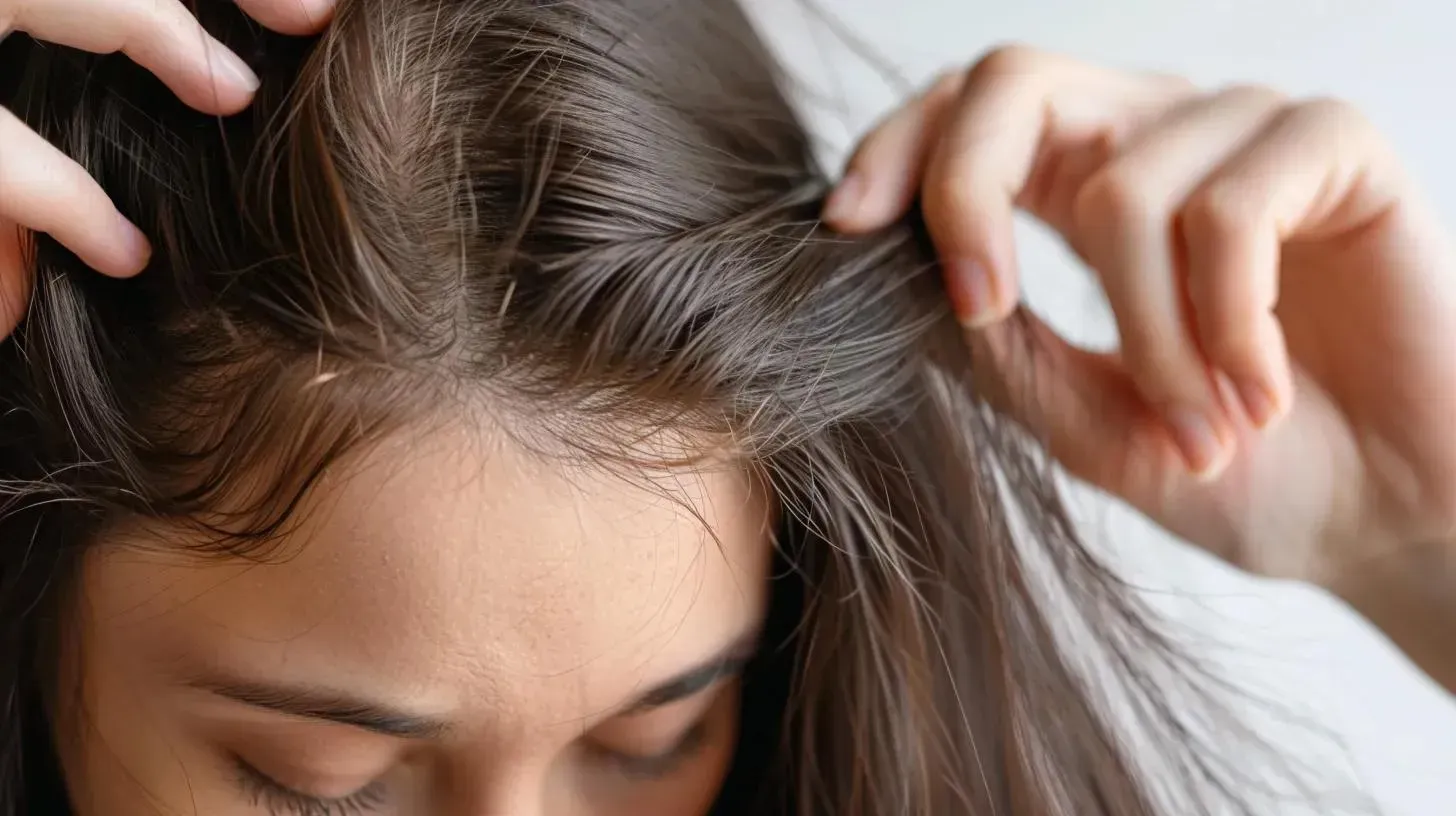
Noticing extra shedding while you’re losing weight on a GLP-1 can be unsettling especially when everything else is finally working. In many cases, the hair loss isn’t “the medication damaging hair,” but a temporary shedding response to rapid body change and reduced intake.
This guide explains the most common reasons hair loss happens during GLP-1-supported weight loss, what to do first, and the red flags that warrant medical review. For an overview of StemVera’s clinician-guided weight-loss pathways, start here. See, “ StemVera - Weight Loss .”
Is hair loss a known side effect of GLP-1 weight-loss medications?
Hair loss has been reported in clinical trials for some GLP-1 weight-loss products, but it’s generally not one of the most common side effects. For example, in Wegovy trials for adults, hair loss appeared more often in the treatment group than placebo.
The more important practical point: most hair shedding reported with GLP-1 weight loss is thought to be related to the weight-loss process(rapid change, reduced calories, nutrient gaps), not a “permanent hair follicle injury.”
What’s the most common reason people lose hair during GLP-1 weight loss?
The most common reason is telogen effluvium, a temporary shedding pattern that can happen after stressors like rapid weight loss, illness, major life stress, or big diet changes.
In telogen effluvium, more hairs than usual shift into a resting/shedding phase. That can look like hair coming out in the shower, on your brush, or throughout the day.
How can you tell if it’s telogen effluvium vs another type of hair loss?
Telogen effluvium usually looks like diffuse shedding(overall thinning) rather than bald patches, and it often starts after a trigger (like significant weight loss or reduced intake). Other patterns patchy hair loss, scalp inflammation, or a widening part that has been progressing for years can point to different causes.
Use this table to orient your next step. It’s not a diagnosis, but it helps you decide what to track and who to talk to.
| Pattern you notice | What it often suggests | What to do first | When to seek medical evaluation sooner |
|---|---|---|---|
| Diffuse shedding across the scalp | Telogen effluvium (often from rapid weight loss, stress, low intake) | Improve protein + overall intake; reduce crash-diet patterns; track weekly trend | If shedding is severe, lasts >6 months, or you’re feeling weak/dizzy |
| Patchy bald spots | Possible alopecia areata or another focal issue | Don’t self-treat aggressively; document photos | Dermatology evaluation recommended |
| Scalp itching, scaling, burning, sores | Possible inflammatory scalp condition | Gentle hair care; avoid harsh products until evaluated | Prompt evaluation (especially if pain/oozing) |
| Gradual thinning over years, wider part | Androgenetic pattern hair loss may be unmasked | Discuss with clinician/derm; consider evidence-based options | If rapid worsening or distressing change |
| Hair loss plus fatigue, cold intolerance, brittle nails | Possible nutrient deficiency or thyroid/medical driver | Ask clinician about labs based on your history | Prompt evaluation if symptoms are significant |
What should you do first if you’re shedding hair on a GLP-1?
Start with the fundamentals that protect hair growth: enough protein, enough overall nutrition, and consistency. Many people unintentionally under-fuel when appetite drops, which can increase shedding risk.
Also make sure you’re not compounding the problem with harsh styling or “panic supplementation.” Your goal is to stabilize the trigger and give follicles time to cycle back.
Hair-shedding action checklist (2-4 weeks)
- Protect protein: add a protein anchor at 2-3 meals/snack windows
- Avoid “crash restriction”: aim for steady intake instead of long stretches of almost no food
- If GI side effects reduce intake, address them with your clinician so you can eat and hydrate consistently
- Keep a weekly weight average (trend, not daily scale) and note any major drops
- Use gentle hair care (avoid tight styles, excessive heat, harsh chemical treatments)
- Track onset: when you first noticed shedding, and what changed 6-12 weeks before
- Ask your clinician whether labs are appropriate for you (iron/ferritin, thyroid, B12/vitamin D, etc. based on history)
To better understand how follow-ups and patient support operate inside a virtual program, explore“ StemVera - How It Works.”
How long does GLP-1-related hair shedding typically last?
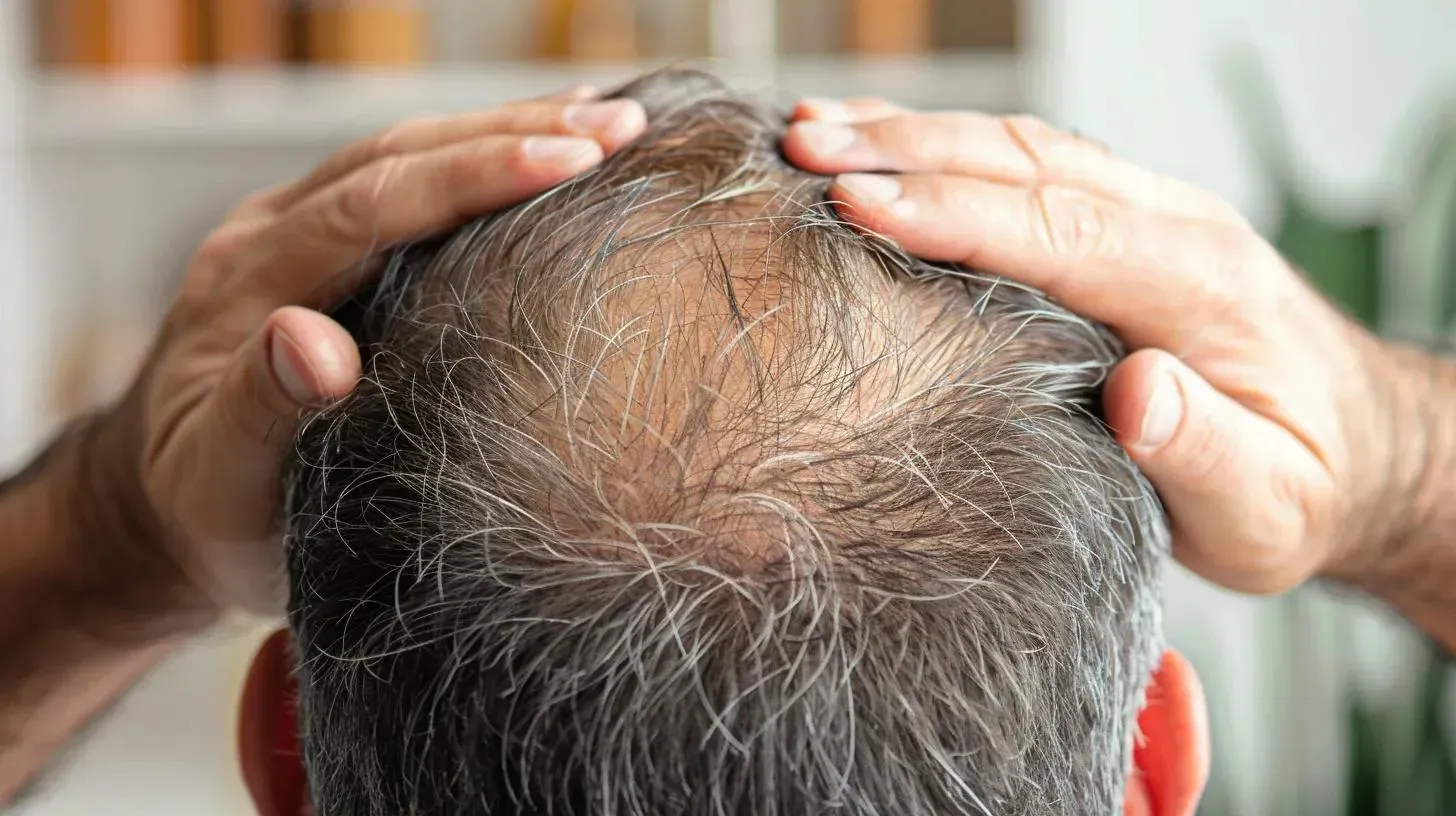
When shedding is driven by telogen effluvium, it’s often temporary and improves after the trigger stabilizes (for example, weight loss slows, nutrition normalizes, stress decreases). Hair regrowth takes time because follicles cycle slowly.
If shedding continues beyond several months or keeps worsening, that’s a signal to evaluate for other causes (nutrient deficiencies, thyroid issues, scalp inflammation, androgenetic hair loss, etc.).
Common mistakes and red flags
Most people don’t need an aggressive “hair loss stack.” The biggest mistakes are usually about under-fueling and overreacting.
Common mistakes:
- Letting appetite suppression erase protein. If you can only eat a little, protein often needs to be the priority.
- Trying to accelerate weight loss even more during shedding. Faster loss can increase physiological stress.
- Starting multiple supplements without checking basics. Random supplements can miss the real issue.
- Over-styling to hide thinning. Tight styles and heavy heat can worsen breakage.
Red flags to discuss with a clinician or dermatologist:
- Patchy bald spots
- Scalp pain, oozing, significant itching, or rash
- Shedding with significant fatigue, dizziness, or signs of under-nutrition
- Shedding that persists beyond ~6 months
Two realistic mini-scenarios
Scenario 1: The “I’m barely eating” week becomes a month.
Ayesha feels full quickly and starts skipping breakfast, eating a small lunch, and picking at dinner. Two months later, she notices shedding. Her clinician helps her add two protein anchors per day and a consistent mini-meal routine. As her intake stabilizes and weight loss slows into a steadier pace, shedding gradually improves.
Scenario 2: Hair loss reveals an older pattern.
Daniel notices a widening part line after losing significant weight. Photos show he had gradual thinning for years, but it became more obvious after weight loss. He sees a dermatologist, confirms the pattern, and chooses a targeted plan rather than chasing “detox” supplements.
FAQ: hair loss while taking GLP-1s
Should I stop my medication if I’m losing hair?
Don’t make that decision alone. Hair shedding can have multiple causes, and your clinician can help you weigh benefits vs risks and check for treatable drivers like under-nutrition or deficiencies.
Do supplements fix GLP-1 hair loss?
Sometimes deficiencies matter, but supplements work best when they’re targeted to a real need. Many people benefit more from stabilizing protein and overall intake first.
Can hair loss happen even if I feel fine?
Yes. Telogen effluvium can show up even when you feel okay because the trigger may be the weight-loss pace or intake change rather than obvious illness.
If you’re seeking clinician-guided weight-loss care with support for managing side effects and staying on track including foundational nutrition guidance start here. See,“ StemVera - Weight Loss.”
Frequently asked questions
Related treatments
Explore the clinician-supervised programs StemVera offers for the conditions and medications discussed in this article.