
GLP-1 Constipation Relief: What Helps Safely (and When It’s a Red Flag)
Constipated on a GLP-1? Learn what helps safely, hydration, food and fiber tweaks, movement, and when to contact your prescriber. Includes a step-by-step checklist and red flags.
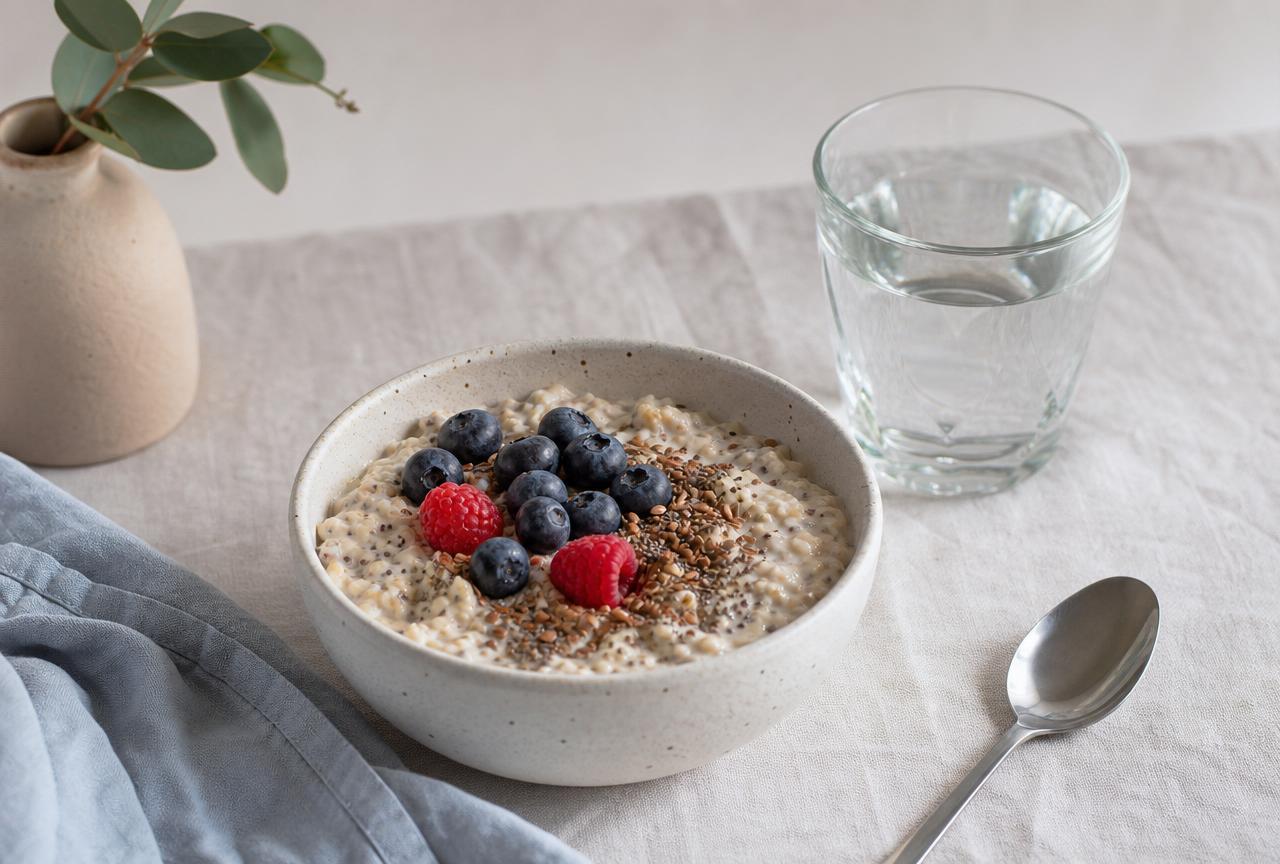

Constipation is a common, frustrating side effect with GLP-1 weight-loss medications especially when appetite drops and your usual eating rhythm changes.
This guide covers safe, practical steps that often help (food, fluids, movement, and OTC options to discuss with a clinician) plus the red flags that should prompt medical guidance. It’s not a dosing guide and won’t tell you how to change your medication plan on your own.
StemVeraweight-loss pathways overview.
Why can GLP-1 medications cause constipation?
GLP-1 medications can contribute to constipation because they may slow gastric emptying and gut motility, and many people also eat less overall meaning less fiber, less fluid, and less “bulk” moving through the system.
In practice, constipation often shows up when one (or more) of these shifts happen at the same time:
- Portions shrink quickly, so fiber intake drops without you noticing
- You’re drinking less because you feel full sooner
- Meal timing becomes irregular (skipping meals, then eating one larger meal)
- Your activity level dips (especially in the first few weeks)
(These are general patterns; your clinician can help you personalize what applies to you.)
What helps GLP-1 constipation the most (safe first steps)?
The most reliable first steps are fluids + gentle movement + a gradual fiber reset, then discussing an OTC plan with your clinician if needed.
Use this table to choose the next 1-2 steps that match your situation.
| What to try | When it helps most | How to do it (practical) | When to involve your clinician |
|---|---|---|---|
| Hydration baseline | You’re eating less and drinking less | Keep a bottle visible; take small sips regularly; aim for steady intake across the day | If you feel dizzy, faint, or can’t keep fluids down |
| Gentle daily movement | You’re more sedentary than usual | 10-20 minute walk after meals (or two short walks/day) | If pain is severe or movement worsens symptoms |
| Gradual fiber increase (food-first) | Stools are small/hard; you’re low on fiber | Add one fiber source at a time (fruit, oats, beans, veg); increase slowly | If fiber worsens bloating/pain or you have IBS-type sensitivity |
| Mini-meal rhythm | You skip meals then eat one large meal | Small, repeatable meals; don’t save up all food for late night | If nausea/vomiting joins constipation |
| OTC options (clinician/pharmacist-guided) | Lifestyle steps aren’t enough | Ask about a stool softener or osmotic laxative option that fits your meds | If symptoms persist, worsen, or you have risk factors (kidney disease, dehydration, etc.) |
f you want a quick reference for program questions and how support is handled,StemVera’s FAQ is helpful.
How do you adjust fiber and foods without making constipation worse?
Increase fiber slowly, and pair it with fluids because adding a lot of fiber too fast (or without enough hydration) can backfire.
A simple “low-friction” approach is to build one fiber anchor per day, then add another only after you’re tolerating it.
Fiber + food checklist (GLP-1 friendly)
- Add one fiber-rich food daily first (oats, chia, berries, beans, cooked vegetables)
- Keep meals smaller and less greasy, especially if digestion feels slow
- Favor cooked vegetables over large raw salads if you feel bloated
- Add a “comfort carb” when appetite is low (oats, rice, toast) so meals don’t disappear
- Don’t skip protein; pair fiber with a protein anchor (yogurt, eggs, tofu, fish, chicken)
When is constipation on a GLP-1 a red flag?
Constipation is often manageable, but you should seek medical guidance promptly if you have symptoms that suggest dehydration, bowel obstruction, or a more serious abdominal issue.
Contact your prescriber urgently or seek urgent care if you have:
- Severe or worsening abdominal pain
- Vomiting (especially if you can’t keep liquids down)
- Inability to pass gas along with no bowel movement
- Blood in stool or black/tarry stools
- Fever with significant abdominal symptoms
- Signs of dehydration (fainting, dizziness, very dark urine)
If you’re unsure whether your symptoms are “normal side effects,” it’s safer to ask your clinician than to wait.
Common mistakes that keep GLP-1 constipation going
Most persistent constipation comes from a few predictable patterns.
- Adding fiber too fast (or without enough water). This can worsen bloating and slow things further.
- Skipping meals all day. Low intake can reduce gut stimulation and make stools harder.
- Relying on random fixes instead of a routine. Consistency (fluids + fiber + movement) usually beats one-off hacks.
- Ignoring dehydration. If you’re not drinking enough, constipation gets harder to fix.
- DIY medication changes. If you need an OTC regimen or symptoms are severe, bring your clinician into the plan.
Two realistic mini-scenarios
Scenario 1: “I ate less, so I got backed up.”
Riya’s appetite drops, and her meals shrink to “coffee + a small lunch + a light dinner.” Within a week, her fiber and fluid intake are far lower than usual. She fixes the basics first: water earlier in the day, one fiber anchor (oats) at breakfast, and a short walk after dinner. Within days, bowel movements become more regular.
Scenario 2: “Fiber made it worse.”
Jason tries to fix constipation by adding a large raw salad and a fiber supplement overnight. He feels bloated and uncomfortable. He resets: smaller portions, cooked vegetables, one fruit serving daily, and a slower fiber increase paired with steady fluids. Symptoms become more predictable, and he can add more fiber gradually.
FAQ: constipation on GLP-1 weight-loss medications
Should I take a laxative?
Sometimes, but it depends on your health profile and other medications. If lifestyle steps aren’t working, ask your clinician or pharmacist which OTC option is appropriate for you.
Is constipation a known side effect with semaglutide?
Yes constipation is listed among common side effects for semaglutide products. If it’s severe, persistent, or paired with red-flag symptoms, contact your prescriber.
What’s the most important first step?
For many people: fluids first, then slow fiber increases and daily movement. Fixing dehydration and low intake often makes everything else work better.
Clinician-guided weight-loss care, including GLP-1 options when appropriate, seeStemVera - Weight Loss.
External sources (for deeper reading).
- Cleveland Clinic:GLP-1 agonists(common GI side effects).
- Cleveland Clinic:Semaglutide injection(common side effects listed).
- MedlinePlus:Semaglutide injection(when to call your doctor).
- Dietary guidance for GI symptoms with GLP-1 receptor agonists(peer-reviewed).
Frequently asked questions
Related treatments
Explore the clinician-supervised programs StemVera offers for the conditions and medications discussed in this article.