
Gallbladder Problems on GLP-1s: Symptoms to Watch, Why Risk Increases, and Red Flags
Gallbladder pain on a GLP-1 can be serious. Learn how gallstones/cholecystitis feel, why risk can increase during weight loss, red flags to seek care, and what to track for your clinician.
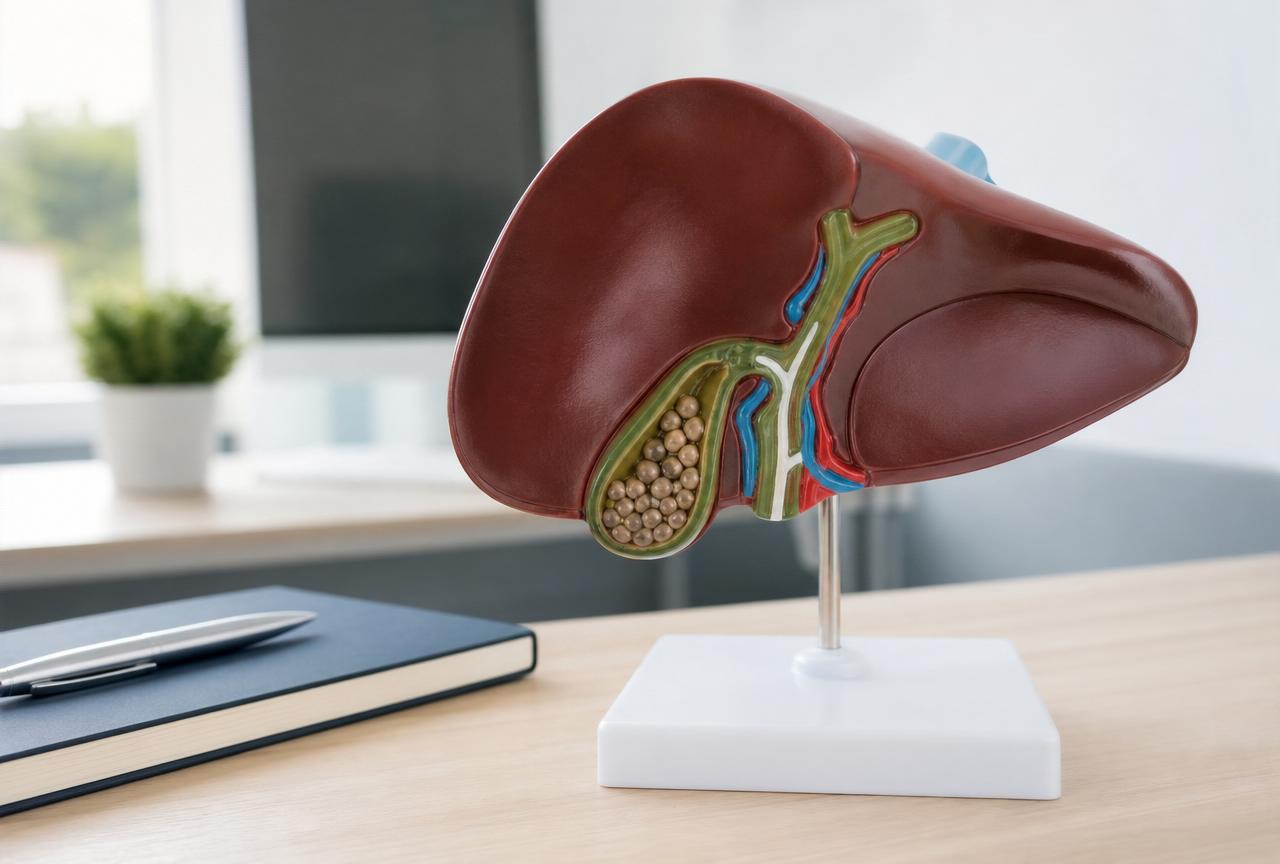
Gallbladder Issues on GLP-1 Weight-Loss Medications: Symptoms & Risks
Gallbladder issues (like gallstones or gallbladder inflammation) can happen during weight loss and GLP-1 weight-loss medications carry a known association with acute gallbladder disease in prescribing information.
This guide explains what that means, how gallbladder pain typically feels, what symptoms should trigger urgent medical guidance, and how to reduce avoidable risk without turning this into a dosing guide.
StemVera weight-loss pathways overview.
Can GLP-1 weight-loss medications increase gallbladder problems?
Yes GLP-1 medications used for weight loss are associated with an increased occurrence of gallbladder disease, including gallstones (cholelithiasis) and gallbladder inflammation (cholecystitis). Rapid or substantial weight loss itself can also raise gallstone risk, which can make the overall risk picture feel confusing.
The practical takeaway is not “expect gallbladder disease,” but “know the pattern, don’t ignore red flags, and talk to your clinician early if symptoms show up.”
Why Rapid Weight Loss Raises Gallbladder Risk With or Without GLP-1s
Gallstones are more likely when weight loss is rapid or intake patterns change significantly, because bile composition and gallbladder emptying can shift. GLP-1 receptor agonists may also affect gallbladder motility, which is one reason gallbladder events are monitored in trials and labeling.
If your weight is trending down quickly, it’s especially important to avoid “all-or-nothing” eating patterns that can worsen GI friction.
What do gallstones or gallbladder inflammation usually feel like?
Gallbladder pain is often a steady, intense pain in the upper right abdomen(or center upper abdomen) that can last minutes to hours and may radiate to the back or right shoulder. It may be accompanied by nausea or vomiting.
Some people notice symptoms after a heavier or higher-fat meal, but the pattern isn’t always that clean so it’s better to recognize the overall symptom cluster than to rely on one trigger.
Gallbladder vs “normal GI side effects” comparison
| What you notice | More typical of common GLP-1 GI side effects | More concerning for gallbladder issues | What to do next |
|---|---|---|---|
| Mild nausea that improves with smaller meals | Often | Sometimes (if paired with RUQ pain) | Track triggers; contact clinician if pain develops |
| Persistent, steady RUQ/upper abdominal pain | Not typical | Yes | Call clinician same day; urgent care if severe |
| Pain radiating to back/right shoulder | Uncommon | Common description for gallbladder pain | Seek medical guidance |
| Fever/chills with abdominal pain | Not typical | Concerning for infection/inflammation | Urgent evaluation |
| Yellowing skin/eyes (jaundice) or very dark urine | Not typical | Possible bile duct blockage | Emergency evaluation |
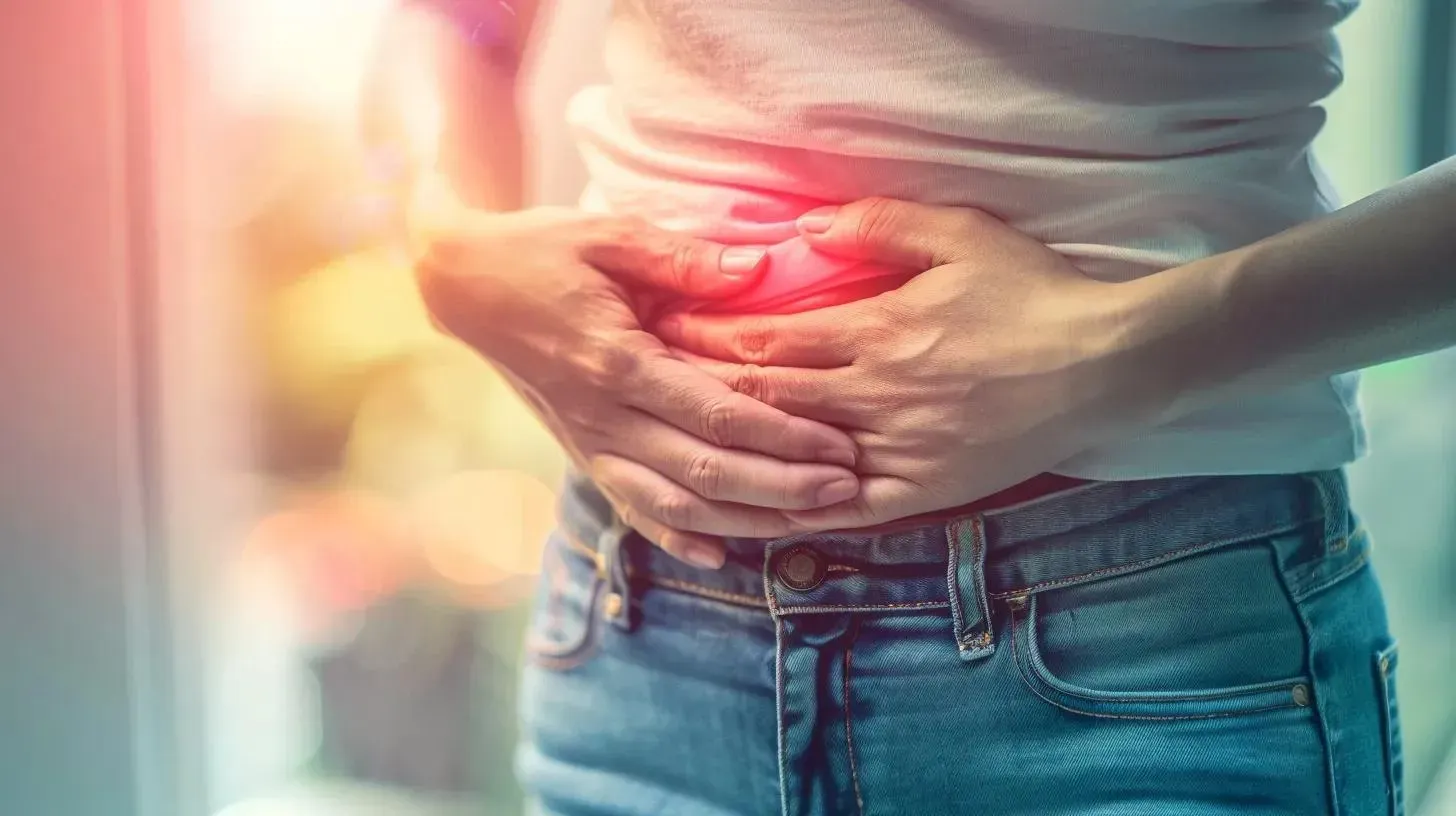
When is abdominal pain on GLP-1s a red flag?
Treat abdominal pain as a red flag when it is severe, persistent (hours), or paired with fever, jaundice, or repeated vomiting. Those combinations can suggest gallbladder inflammation, bile duct obstruction, or another serious abdominal condition.
Seek urgent care or emergency evaluation if you have:
- Severe or worsening upper abdominal pain (especially lasting more than a few hours)
- Fever and chills with abdominal pain
- Yellowing skin/eyes (jaundice) or dark urine
- Repeated vomiting or inability to keep fluids down
- Fainting, severe weakness, or signs of dehydration
If symptoms are mild but persistent, contact your prescriber for guidance rather than trying to “push through it.”
What should you do if you suspect gallbladder symptoms while on a GLP-1?
The best first step is to contact your prescriber promptly and describe your symptoms clearly (location, duration, triggers, and associated symptoms like fever or vomiting). Clinicians may recommend evaluation and imaging (like an ultrasound) to rule out gallstones or gallbladder inflammation.
Do not try to troubleshoot severe pain yourself or change your medication schedule without clinician guidance.
Clinician-ready symptom checklist
- Where is the pain (upper right, center, radiating to back/shoulder)?
- How long did it last (minutes vs hours)?
- Any fever, chills, jaundice, dark urine, pale stools?
- Any vomiting or inability to hydrate?
- What did you eat before it started (if anything)?
- Your most recent weight trend (weekly average) and whether loss has been rapid
- Medication list (including the GLP-1 product name)
If you want to understand how clinician review and follow-ups typically work in an online program, see“ StemVera
- How It Works.”
How can you lower gallbladder risk during GLP-1 weight loss?
You can’t eliminate risk completely, but you can reduce avoidable stressors by aiming for steady, sustainable loss and keeping nutrition consistent. Rapid, extreme restriction and long stretches of very low intake are common “risk multipliers.”
Focus on consistency:
- Keep meals regular (even smaller meals) instead of skipping all day
- Prioritize hydration
- Avoid extreme crash dieting
- Keep a realistic movement baseline (daily walking helps overall GI function)
Common mistakes that delay care
- Assuming severe abdominal pain is “just a side effect” and waiting too long
- Ignoring fever or jaundice because nausea is common on GLP-1s
- Self-adjusting medication timing/dose because symptoms are scary
- Only describing symptoms as “stomach pain” instead of giving the location/duration pattern
Two realistic mini-scenarios
Scenario 1: The pain that doesn’t behave like nausea.
Rohit has mild nausea off and on, but one evening he develops a steady upper-right abdominal pain that lasts hours and feels different than his usual GI side effects. He contacts his prescriber the same day and is evaluated for gallbladder causes instead of trying random food hacks.
Scenario 2: Rapid loss + skipped meals.
Nisha’s appetite drops, so she often skips meals and loses weight quickly. A few weeks later she gets intense abdominal pain after a late, heavier dinner. Her clinician helps her stabilize intake and evaluates for gallstones because the pattern fits a gallbladder issue more than “normal adjustment.”
FAQ: gallbladder issues and GLP-1s
Both can be part of the picture. Rapid weight loss raises gallstone risk, and prescribing information for GLP-1 weight-loss medications also notes an increased occurrence of acute gallbladder disease.
Don’t decide alone. If symptoms are severe, seek urgent care and contact your prescriber for instructions.
Clinicians often use an abdominal ultrasound and may order labs depending on symptoms.
If you want clinician-guided weight-loss care and medication pathways with follow-up support, start here. See“ StemVera
- Weight Loss.”
External sources (for deeper reading)
- Wegovy (semaglutide) FDA label acute gallbladder disease section.
- Zepbound (tirzepatide) US prescribing information acute gallbladder disease.
- Cleveland Clinic gallbladder pain symptoms and when to seek care.
- Review (2025) GLP-1 receptor agonists and gallbladder disease risk.
Frequently asked questions
Related treatments
Explore the clinician-supervised programs StemVera offers for the conditions and medications discussed in this article.