
Diarrhea on GLP-1 Weight-Loss Medications: Why It Happens, What Helps, and When to Call a Clinician
Diarrhea on semaglutide or tirzepatide? Learn why it happens, a practical relief checklist, how to avoid dehydration, red flags, and when to seek medical care.

GLP-1 Weight-Loss Diarrhea: Causes, Relief & When to Seek Advice
Diarrhea on GLP-1 Weight-Loss Medications: Why It Happens, What Helps, and When to Call a Clinician
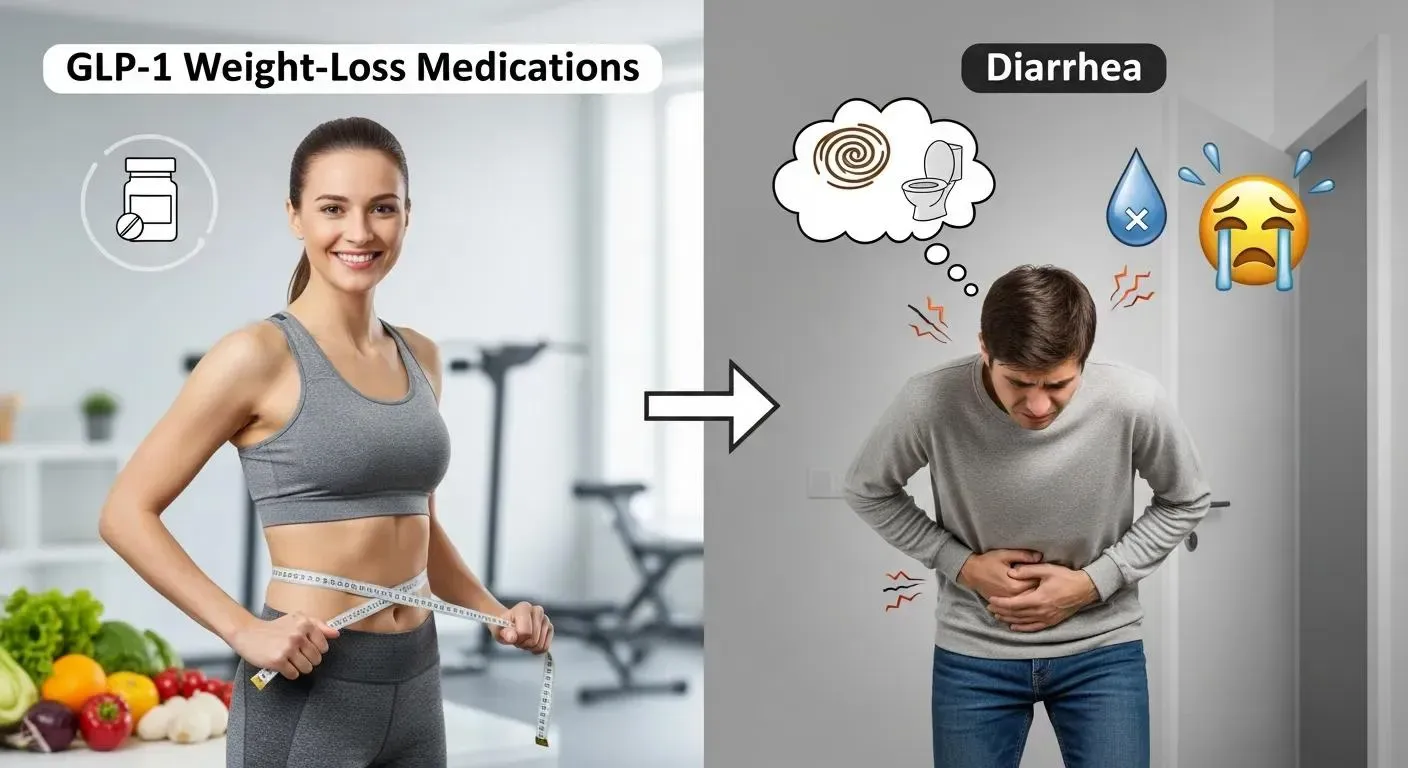
Diarrhea is a common GLP-1 side effect for some people especially early in treatment or after increases because these medications change how your digestive system moves and responds to food.
Most episodes are mild and temporary. The goal is to reduce symptoms so you can stay hydrated and keep your plan consistent, and to recognize the red flags that need medical guidance.
Why can GLP-1 medications cause diarrhea?
GLP-1 medications influence digestion and appetite, and that can change how quickly food moves through your GI tract and how your body handles richer meals. For some people, that shift shows up as loose stools especially when meal composition changes quickly (high-fat meals, sugary drinks, large portions after a low-appetite day).
Diarrhea is usually most noticeable when your body is still adjusting. If it’s persistent, severe, or paired with dehydration symptoms, that’s when you treat it as a clinician conversation.
What helps diarrhea on GLP-1s in real life?
The most reliable help comes from three basics: smaller meals, gentler food choices, and hydration that starts early(before you feel wiped out).
Use the table below to decide what to do based on how intense your symptoms are.
| What your diarrhea looks like | What it often means | What to do today | When to contact your clinician |
|---|---|---|---|
| 1-2 loose stools, otherwise okay | Mild adjustment or food-trigger day | Hydrate, eat small bland meals, avoid triggers for 24-48 hours | If it keeps recurring or you feel progressively weaker |
| Multiple loose stools for 1-2 days | Moderate GI irritation + higher dehydration risk | Focus on fluids + gentle foods; pause rich/spicy/sugary meals | If it’s not improving within 48 hours or you’re struggling to function |
| Diarrhea plus dizziness, very dark urine, or you’re barely urinating | Possible significant dehydration | Treat as urgent: fluids first; consider same-day medical guidance | Contact clinician promptly; urgent care if you can’t keep fluids down |
| Diarrhea with severe abdominal pain, fever, blood/black stools, or fainting | Not typical GLP-1 adjustment | Seek urgent medical evaluation | Emergency evaluation if severe symptoms occur |
GLP-1 diarrhea relief checklist (simple and repeatable)
- Sip fluids regularly (small sips often can be easier than chugging) - Choose gentle foods for 24-48 hours (rice, toast, bananas, applesauce, soups, plain proteins) - Keep meals smaller and avoid very large portions after a low-intake day - Avoid common trigger categories temporarily: - Very high-fat foods - Spicy foods - Very sugary drinks/cocktails - Large amounts of caffeine or alcohol - If nausea is present too, prioritize hydration first and eat “mini-meals” rather than skipping all day - If you have diabetes or use other glucose-lowering meds, follow your clinician’s guidance on monitoring
If you want to know what follow-ups and messaging support typically look like in an online program, see “ StemVera - How It Works .”
When should diarrhea on GLP-1s be treated as a red flag?
Treat diarrhea as a red flag when it’s paired with dehydration, severe pain, or signs of infection/bleeding.
Contact your clinician promptly if you have:
- Diarrhea that persists beyond ~48 hours without improvement - You can’t keep fluids down - Dizziness when standing, new confusion, or significant weakness - Very dark urine or much less urination than usual
Seek urgent care/emergency evaluation if you have:
- Severe or worsening abdominal pain - Fever with abdominal symptoms - Blood in stool, black/tarry stool, or fainting
What are common mistakes that make GLP-1 diarrhea worse?
Most setbacks come from trying to “eat normally” on a day when your stomach clearly wants a lighter plan.
Common mistakes:
- Skipping food all day and then eating a heavy meal. This can be a GI trigger and can worsen symptoms. - Trying to push through dehydration. If you’re dizzy or barely urinating, treat hydration as urgent. - Treating every episode as random. Many people can identify 1-2 trigger categories (fatty meals, sugary drinks, alcohol) after tracking for a week. - Self-adjusting medication timing or dose. Side-effect troubleshooting should be clinician-guided.
Two realistic mini-scenarios
Scenario 1: The “rich dinner” trigger.
Arman has a low-appetite day and then eats a very high-fat dinner. The next morning he has multiple loose stools and feels drained. He switches to smaller bland meals, sips fluids through the day, and avoids rich food for 48 hours. Symptoms settle and he uses the experience to identify “high-fat + large portion” as a trigger.
Scenario 2: Diarrhea + dehydration signs.
Sana has diarrhea for a full day and starts feeling dizzy when she stands, with very dark urine. Instead of searching for stronger home fixes, she contacts her clinician and seeks same-day guidance because dehydration is now the main risk.
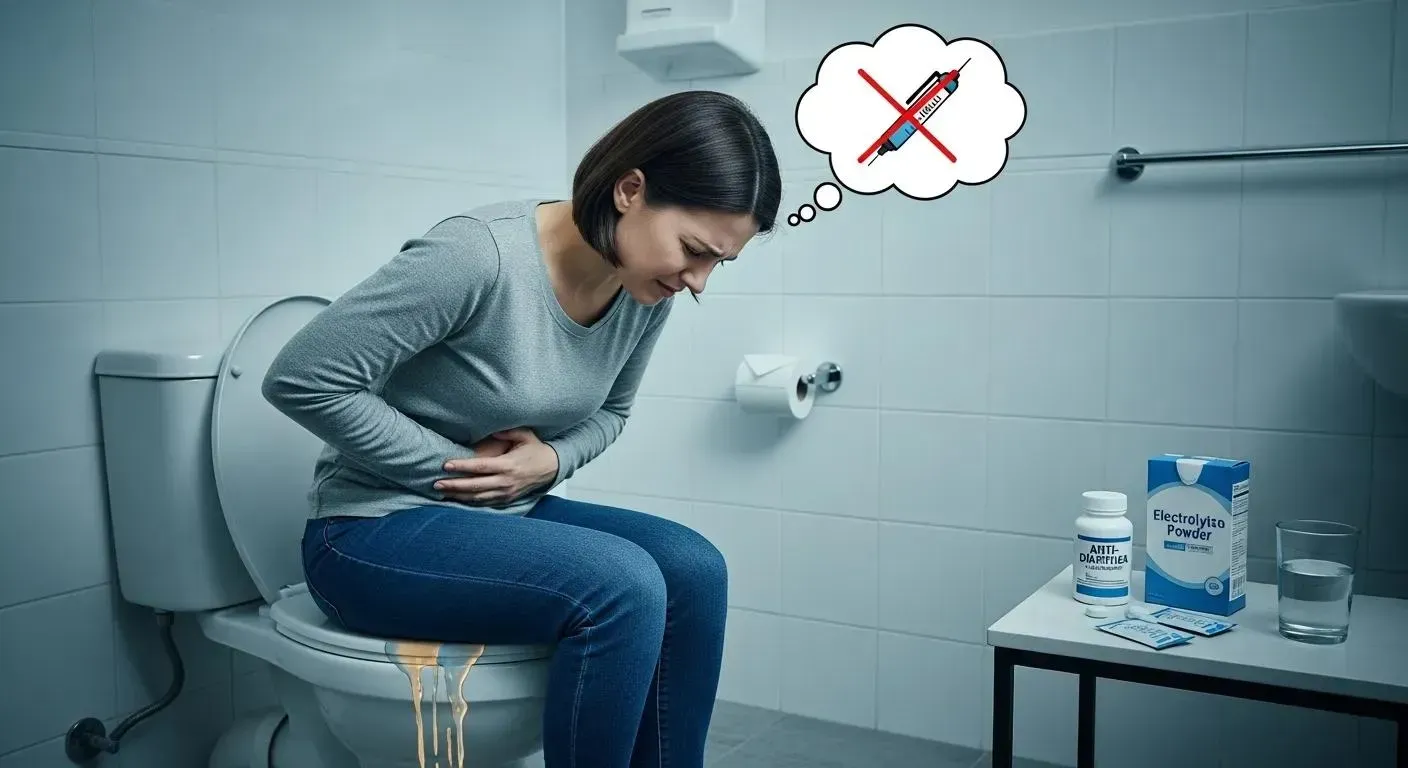
FAQ: diarrhea on GLP-1 weight-loss medications
- ### Is diarrhea more common when you first start?
For many people, yes. GI side effects are often more noticeable early on or during dose increases, then improve as your body adapts.
- ### Should I take an over-the-counter anti-diarrheal?
Ask your clinician or pharmacist first especially if you have severe symptoms, fever, blood in stool, or significant abdominal pain. Some situations require evaluation rather than symptom suppression.
- ### Can diarrhea cause kidney problems?
Severe diarrhea can lead to dehydration, and dehydration can stress kidney function. If you’re barely urinating, very dizzy, or can’t keep fluids down, contact a clinician promptly.
If you want clinician-guided weight-loss care with support for side effects and sustainable routines (including GLP-1 options when appropriate), start here. See“ StemVera - Weight Loss.”
Frequently asked questions
Related treatments
Explore the clinician-supervised programs StemVera offers for the conditions and medications discussed in this article.