Remote Patient Monitoring Revolution: How Connected Devices Are Transforming Chronic Disease Management in 2026
Explore how remote patient monitoring is revolutionizing chronic disease management with advanced wearables, smart home health systems, and early warning alerts that prevent hospitalizations.
Remote Patient Monitoring via Connected Devices Improves Chronic Care
StemVera Health Team • April 23, 2026
Remote Patient Monitoring Revolution: How Connected Devices Are Transforming Chronic Disease Management in 2026
StemVera Health Team • April 23, 2026
Remote patient monitoring has emerged as one of the most transformative innovations in modern healthcare, fundamentally changing how we manage chronic diseases and deliver continuous care to patients in their homes. As we advance through 2026, the integration of sophisticated monitoring technologies with telehealth platforms is creating unprecedented opportunities for proactive health management, early intervention, and improved patient outcomes across all age groups and health conditions.
The evolution of remote monitoring technology has moved far beyond simple activity trackers and basic vital sign monitors. Today's systems incorporate advanced wearable devices, smart home health equipment, and intelligent analytics that can detect subtle changes in patient health status long before symptoms become apparent. This continuous oversight is particularly valuable for managing chronic conditions like diabetes, hypertension, heart disease, and COPD, where early detection of changes can prevent hospitalizations and improve quality of life.
For patients and healthcare providers, remote monitoring represents a paradigm shift from episodic care to continuous health management. This approach not only improves clinical outcomes but also enhances patient engagement, reduces healthcare costs, and provides peace of mind for both patients and their families through constant connection to their healthcare team.
Medical-Grade Wearables: Continuous Vital Sign Monitoring
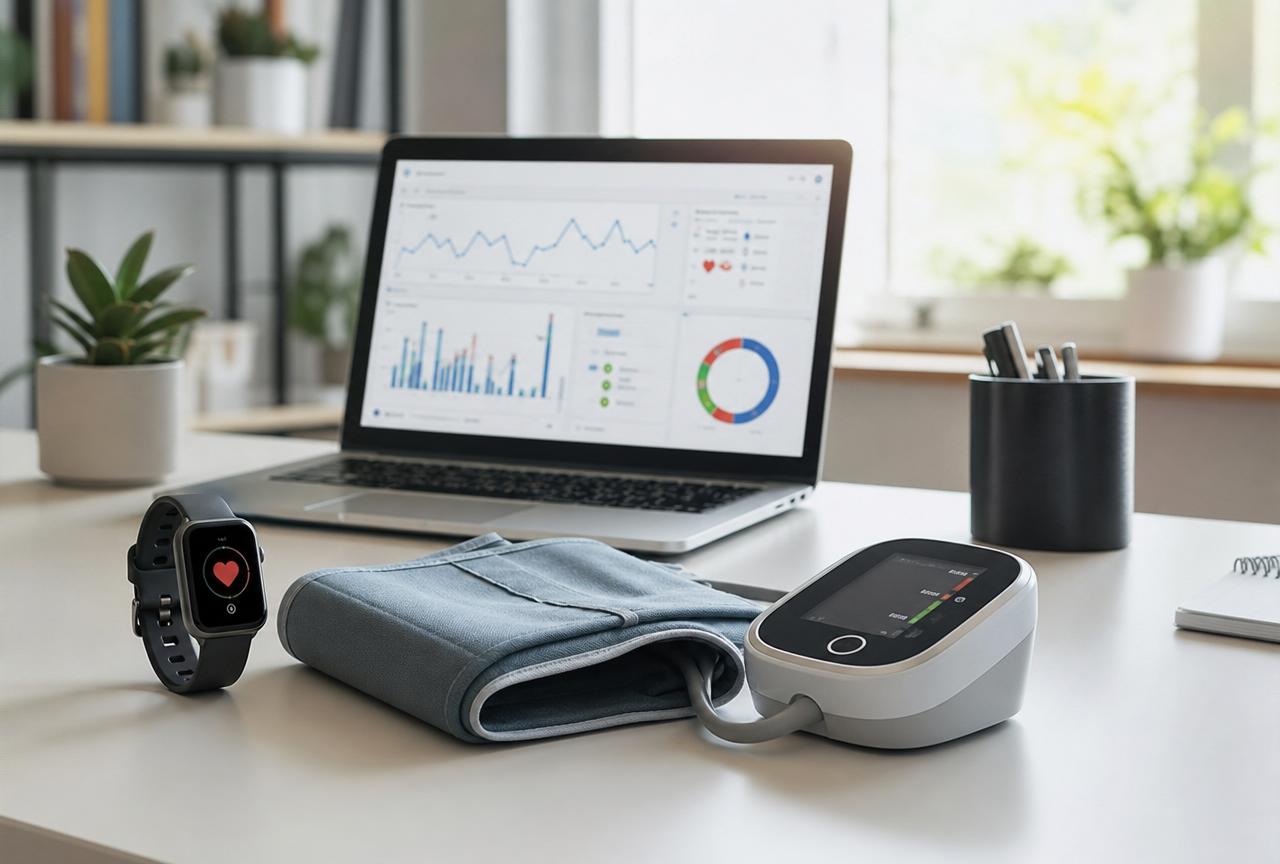
The latest generation of wearable monitoring devices has evolved into sophisticated medical instruments capable of tracking multiple vital signs with hospital-grade accuracy. Modern smartwatches and specialized medical wearables can continuously monitor heart rate variability, blood oxygen levels, blood pressure, glucose levels, and even detect irregular heart rhythms that might indicate serious cardiac conditions requiring immediate medical attention.
These devices use advanced sensor technology and machine learning algorithms to establish personalized baselines for each patient, allowing them to detect even subtle deviations from normal patterns that might indicate the onset of health complications. The accuracy and reliability of these measurements have improved dramatically, with many devices now meeting FDA standards for medical-grade monitoring equipment.
The integration of multiple sensors in a single device means that patients can receive comprehensive health monitoring without the burden of wearing multiple pieces of equipment or remembering to take frequent measurements manually. This seamless integration encourages consistent use and provides healthcare providers with rich, continuous data streams that offer unprecedented insight into patient health patterns and trends.

The data collected by these advanced wearables is automatically synchronized with healthcare providers' systems, creating real-time visibility into patient health status that enables immediate intervention when concerning trends are detected. Have you ever considered how much more proactive your healthcare could be if your doctor could see your vital signs 24/7 instead of just during office visits?
2\. Smart Home Health Ecosystems: Creating Comprehensive Care Environments
The concept of the smart home has expanded to include comprehensive health monitoring ecosystems that transform living spaces into extensions of medical facilities. These systems integrate various monitoring devices throughout the home, including smart scales that track weight fluctuations, blood pressure monitors that automatically record readings, glucose meters that sync directly with healthcare providers, and even smart pillboxes that ensure medication adherence.
Advanced air quality sensors can monitor environmental factors that might trigger asthma or COPD symptoms, while sleep monitoring systems track rest patterns that are crucial for overall health and recovery. Smart bathroom fixtures can analyze various health indicators, and even smart refrigerators can track dietary patterns and medication storage conditions to ensure optimal health management.
The integration of these various monitoring points creates a holistic view of patient health that extends beyond traditional clinical measurements to include lifestyle factors, environmental influences, and daily activities that all contribute to overall health outcomes. This comprehensive approach provides healthcare providers with context for clinical data and helps identify external factors that might be affecting patient health.
The seamless nature of these monitoring systems means that patients can maintain their normal routines while receiving continuous health oversight. The technology operates invisibly in the background, collecting valuable health data without requiring conscious effort or behavior modification from patients, which significantly improves compliance and data quality.
3\. Chronic Disease Management: Transforming Long-Term Care Approaches
Remote patient monitoring has revolutionized the management of chronic diseases by enabling continuous oversight and early intervention that can prevent complications and reduce hospitalizations. For diabetes management, continuous glucose monitors and smart insulin pens provide real-time data that allows for precise medication adjustments and lifestyle modifications based on actual glucose trends rather than intermittent finger stick measurements.
Heart failure patients benefit from daily weight monitoring, activity tracking, and symptom reporting through connected devices that can detect fluid retention and declining cardiac function days or weeks before symptoms become severe enough to require emergency treatment. This early warning system has dramatically reduced hospital readmissions and improved quality of life for patients with complex cardiac conditions.
COPD and asthma patients use connected inhalers and peak flow meters that track medication usage, breathing patterns, and symptom frequency while also monitoring environmental triggers that might affect their respiratory status. This comprehensive monitoring helps optimize treatment regimens and avoid exacerbations that could lead to hospitalizations or emergency department visits.
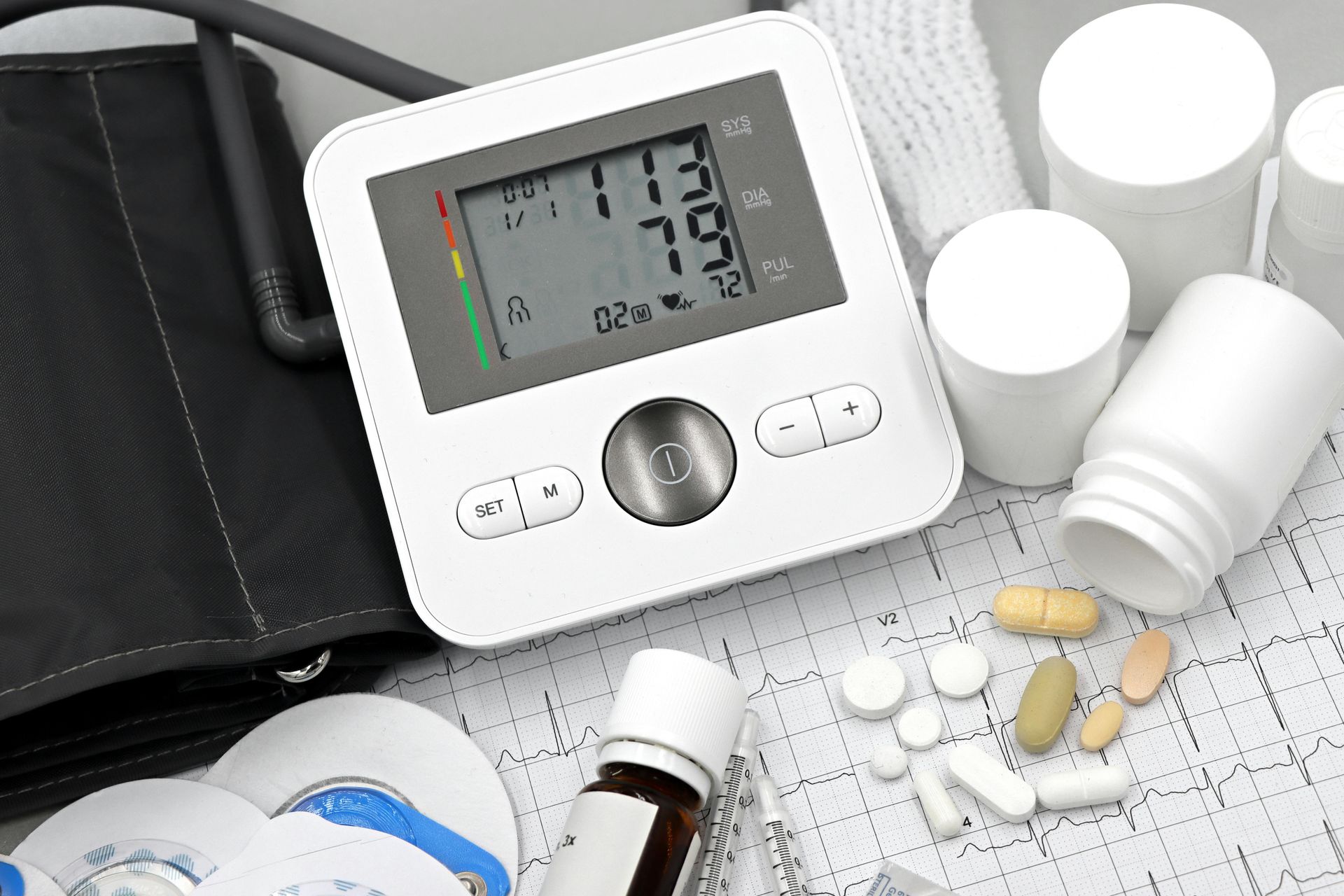
The ability to track medication adherence, side effects, and treatment effectiveness in real-time allows healthcare providers to make more informed decisions about treatment adjustments and helps patients understand the direct connection between their daily health management activities and their overall well-being. This increased engagement and understanding often leads to better adherence and improved outcomes.
4\. Early Warning Systems: Predicting Health Crises Before They Occur
One of the most significant advantages of remote patient monitoring is the ability to detect health problems in their earliest stages, often before patients are aware that anything is wrong. Advanced analytics algorithms process continuous streams of health data to identify patterns and trends that indicate developing complications or deteriorating conditions requiring immediate medical attention.
These early warning systems can detect subtle changes in vital signs, activity patterns, sleep quality, or other health indicators that might signal the onset of infections, medication side effects, or progression of chronic conditions. For example, gradual increases in resting heart rate combined with decreased activity levels might indicate the early stages of heart failure exacerbation, allowing for intervention before symptoms become severe.
The predictive capabilities of these systems are particularly valuable for high-risk patients who might experience rapid deterioration without warning. By continuously monitoring multiple health parameters and comparing them to established baselines and population norms, these systems can alert healthcare providers to concerning changes that require immediate evaluation or treatment modification.
The integration of artificial intelligence and machine learning algorithms allows these early warning systems to become more accurate and personalized over time as they learn individual patient patterns and responses to various treatments. This personalized approach reduces false alarms while ensuring that genuine health concerns are identified and addressed promptly.
5\. Enhanced Patient Engagement: Empowering Active Health Participation
Remote monitoring technology has transformed patients from passive recipients of healthcare to active participants in their own health management. Through smartphone apps and connected devices, patients can access their health data in real-time, track progress toward health goals, and understand the immediate impact of their lifestyle choices on their overall health status.
Educational features integrated into monitoring platforms provide personalized health recommendations, medication reminders, and lifestyle guidance based on individual health data and treatment goals. This immediate feedback helps patients understand the connection between daily activities and health outcomes, encouraging better adherence to treatment plans and healthier lifestyle choices.
Gamification elements in many monitoring platforms create positive reinforcement for healthy behaviors, helping patients stay motivated and engaged with their health management routine. Social features allow patients to share achievements and challenges with family members or support groups, creating additional motivation and accountability for health management activities.
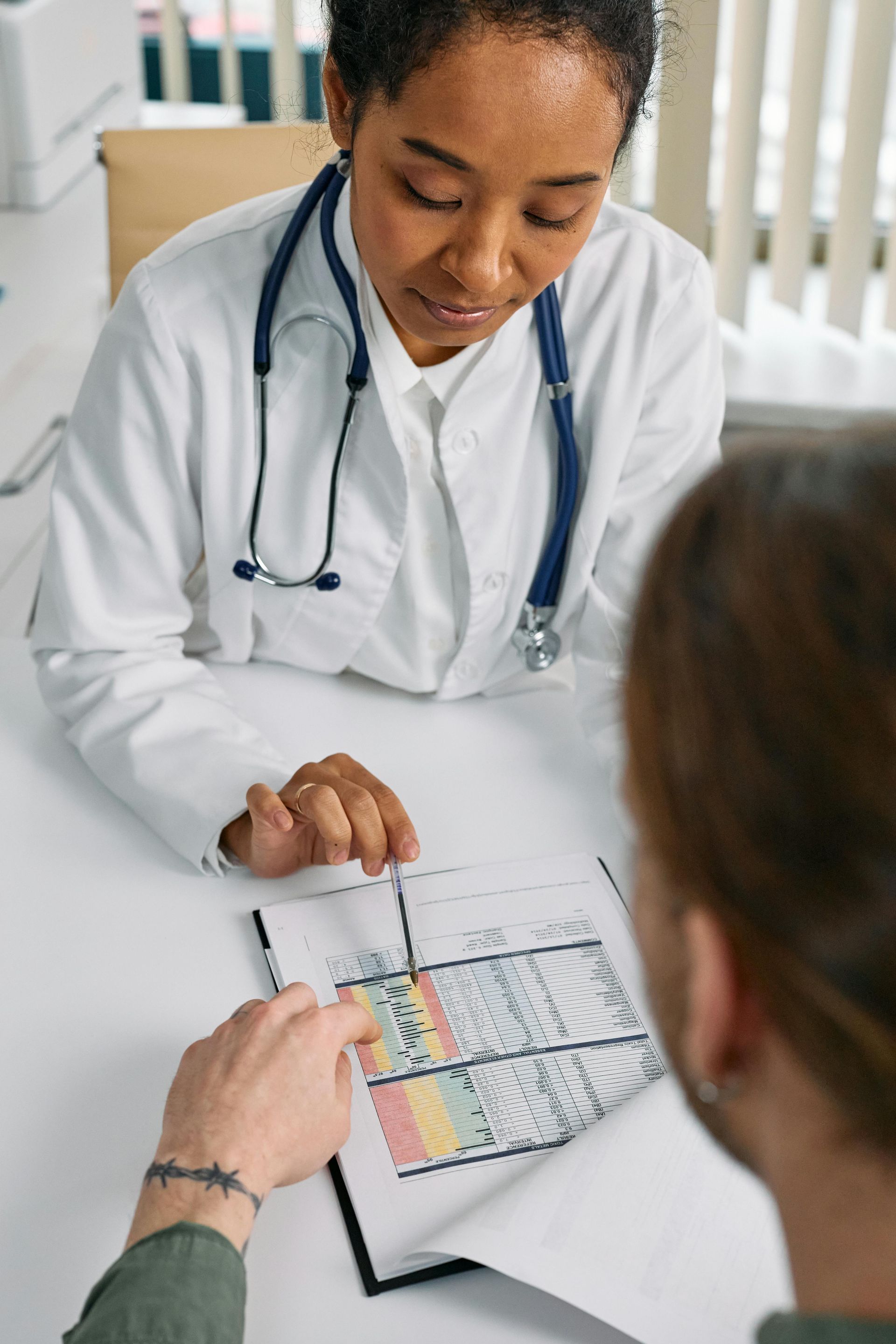
The ability to share health data directly with healthcare providers creates more informed and productive clinical conversations, as providers can review detailed health patterns before appointments and focus discussion time on treatment optimization rather than basic status updates. This more efficient use of clinical time leads to better outcomes and higher patient satisfaction.
6\. Cost Reduction and Healthcare Efficiency: Optimizing Resource Allocation
Remote patient monitoring has demonstrated significant potential for reducing healthcare costs while improving outcomes through more efficient resource allocation and preventive care strategies. By enabling early detection and intervention for health problems, remote monitoring can prevent expensive hospitalizations and emergency department visits that might otherwise be necessary for condition management.
The ability to monitor multiple patients simultaneously through automated systems allows healthcare providers to extend their reach and provide oversight to larger patient populations without proportional increases in staffing requirements. This efficiency gain is particularly valuable in areas with provider shortages or for patients who have difficulty accessing traditional healthcare facilities due to geographic or mobility limitations.
Reduced need for frequent office visits saves both patients and healthcare systems significant costs related to transportation, time off work, and clinical facility utilization. Patients can receive high-quality monitoring and care coordination from their homes, reducing the burden on both patients and healthcare infrastructure while maintaining or improving quality of care.
Insurance companies and healthcare payers increasingly recognize the cost-effectiveness of remote monitoring programs and are expanding coverage for these services, making them more accessible to patients who could benefit from continuous health oversight. The return on investment for remote monitoring programs continues to improve as technology costs decrease and outcome benefits become more clearly documented.
7\. Data Security and Privacy: Protecting Sensitive Health Information
As remote monitoring systems collect increasingly detailed and sensitive health information, ensuring robust data security and patient privacy protection has become paramount. Modern monitoring platforms implement advanced encryption, secure data transmission protocols, and strict access controls to protect patient health information from unauthorized access or data breaches.
Compliance with healthcare privacy regulations such as HIPAA requires comprehensive security measures throughout the entire data collection, transmission, storage, and analysis process. Leading monitoring platforms undergo regular security audits and maintain certifications that demonstrate their commitment to protecting patient privacy and data security.
Patient control over data sharing and usage preferences is built into modern monitoring systems, allowing individuals to specify how their health information can be used for research, quality improvement, or other purposes beyond their direct care. This transparency and patient control helps build trust and encourages participation in monitoring programs.
The development of federated learning and other privacy-preserving technologies allows monitoring systems to improve their algorithms and predictions while keeping individual patient data secure and private. These advances enable the benefits of population-level data analysis while maintaining strict privacy protections for individual patients.
8\. Integration with Healthcare Systems: Seamless Care Coordination
The successful implementation of remote patient monitoring requires seamless integration with existing healthcare systems and workflows to ensure that monitoring data is effectively utilized in clinical decision-making. Modern monitoring platforms provide APIs and integration capabilities that allow health data to flow directly into electronic health records, clinical decision support systems, and care coordination platforms.
Clinical workflow integration ensures that monitoring alerts and data summaries reach the appropriate healthcare providers at the right time, enabling prompt responses to concerning changes in patient health status. Automated alert systems can escalate urgent situations while filtering routine data to prevent information overload for clinical staff.
Care team coordination features allow multiple healthcare providers to access and contribute to patient monitoring data, ensuring that all members of the healthcare team have visibility into patient status and can collaborate effectively on treatment decisions. This comprehensive approach is particularly important for patients with multiple chronic conditions who require care from various specialists.
Interoperability standards and protocols ensure that monitoring data can be shared across different healthcare systems and providers, creating continuity of care even when patients receive services from multiple organizations or move between different healthcare networks. This seamless data sharing improves care coordination and reduces the risk of medical errors or duplicated services.
Conclusion
Remote patient monitoring represents a fundamental shift in healthcare delivery that is transforming chronic disease management and creating new possibilities for proactive, personalized care. From advanced wearable devices that provide medical-grade monitoring to smart home health ecosystems that create comprehensive care environments, the technology is enabling continuous oversight and early intervention that improves outcomes while reducing costs.
The benefits of remote monitoring extend beyond individual patient care to include improved healthcare system efficiency, enhanced patient engagement, and better resource allocation across entire patient populations. As technology continues to advance and integration with healthcare systems becomes more seamless, the potential for remote monitoring to improve health outcomes and reduce healthcare disparities will continue to grow.
For healthcare providers and patients alike, embracing remote monitoring technology represents an opportunity to participate in a more proactive, efficient, and effective approach to healthcare delivery. The evidence supporting the benefits of remote monitoring continues to accumulate, and the technology is becoming increasingly accessible and user-friendly for patients of all ages and technical abilities.
As we move forward through 2026 and beyond, remote patient monitoring will undoubtedly play an increasingly central role in healthcare delivery, helping to create a system that is more responsive, more personalized, and more focused on preventing health problems rather than simply treating them after they occur. The future of healthcare is already here, and it's happening in patients' homes through the power of remote monitoring technology.
Frequently asked questions
Related treatments
Explore the clinician-supervised programs StemVera offers for the conditions and medications discussed in this article.